Cambridge O Level Chemistry (CIE)
12 units285 videos36 hours
Learn it live with a class on Puzzicle · Teachers: use it with your class
Unit 1: States of matter
Properties of solids, liquids and gases
 Effect of temp and pressure on state change5:21
 Explanation: Thermal expansion of liquids1:04
 Activity: Thermal expansion in gases0:40
 Enthalpy and phase changes ✓ Check-ins3:13
 States of matter ✓ Check-ins19:24
 States of matter ✓ Check-ins4:29
 Representing solids, liquids, and gases using particulate models ✓ Check-ins4:51
 Digging Deeper into Gases5:36
 States of matter follow-up ✓ Check-ins8:45
 Why Water Vapor Exists Without Boiling: Evaporation vs Boiling6:36
 States of matter (Bonus video)12:15
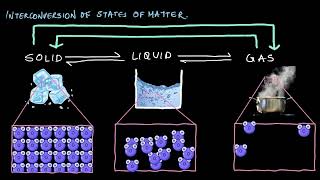 Changing States of Matter : Part 16:53
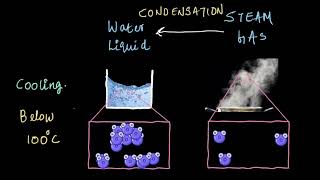 Changing States of Matter : Part 26:01
 Phase changes ✓ Check-ins7:38
Unit 2: Atoms,elements and compounds
Elements, compounds and mixtures
Atomic structure and the Periodic Table
 Stability of Atom7:09
 Protons, neutrons, and electrons in atoms ✓ Check-ins2:31
 Elements and atoms ✓ Check-ins13:09
 Introduction to the atom ✓ Check-ins21:05
 Elements and atomic number ✓ Check-ins4:34
 Worked example: using the mass number equation ✓ Check-ins2:01
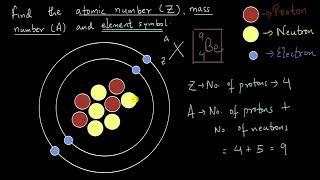 Atomic number, mass number7:12
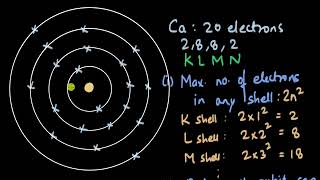 Electron distribution in shells10:05
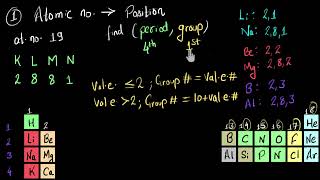 Given atomic number find position and vice-versa (Solved example)11:08
Isotopes
Ion and ionic bonds
Simple molecules and covalent bonds
 Covalent bonds ✓ Check-ins5:43
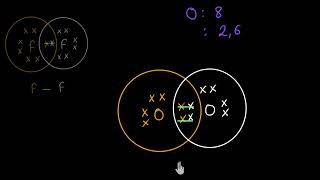 Covalent bond12:34
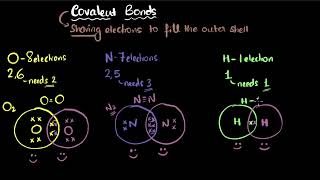 Covalent bond: Molecules with same atoms4:49
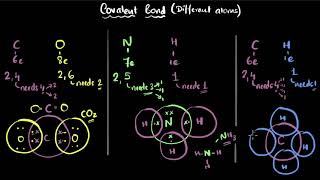 Covalent bond: Molecules with different atoms5:46
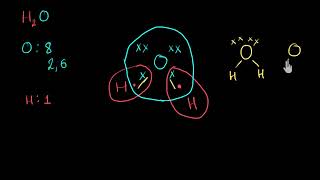 Covalent bond and Lewis dot structure of H2O & CO210:12
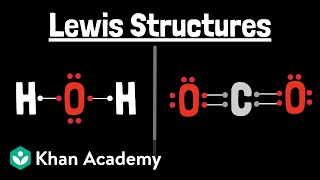 Lewis diagrams for molecules ✓ Check-ins14:38
 Dot structures I: Single bonds ✓ Check-ins6:57
 Dot structures II: Multiple bonds ✓ Check-ins5:59
 Molecular solids ✓ Check-ins8:13
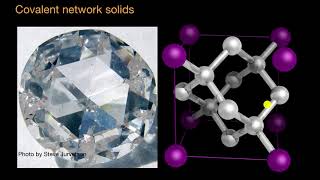
Giant covalent structures
Unit 3: Stoichiometry
Formulae
 Compounds and chemical formulas ✓ Check-ins6:01
 Empirical, molecular, and structural formulas ✓ Check-ins6:50
 Worked example: Finding the formula of an ionic compound ✓ Check-ins2:59
 Naming ionic compound with polyvalent ion ✓ Check-ins4:02
 Common polyatomic ions ✓ Check-ins5:48
 Worked example: Formula for an ionic compound3:31
 Worked example: writing empirical formulas for ionic compounds ✓ Check-ins5:54
 Chemical equations ✓ Check-ins8:05
 Chemical reactions introduction ✓ Check-ins9:13
 Worked examples: Balancing chemical equations ✓ Check-ins7:44
 Molecular, complete ionic, and net ionic equations ✓ Check-ins5:55
 Dissolution and precipitation ✓ Check-ins10:00
Relative masses of atoms and molecules
The mole and the Avogadro constant
 The mole and Avogadro's number ✓ Check-ins8:57
 Understanding mole concept through a problem7:28
 Calculations using Avogadro's number (part 1) ✓ Check-ins13:31
 Calculations using Avogadro's number (part 2) ✓ Check-ins14:33
 Worked example: Calculating molar mass and number of moles ✓ Check-ins5:49
 Avogadro's law7:57
 Avogadro's law ✓ Check-ins8:12
 Molarity ✓ Check-ins5:03
Chemical calculations
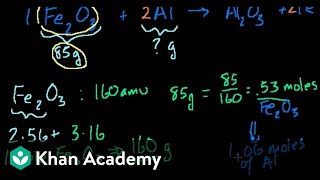 Stoichiometry ✓ Check-ins9:24
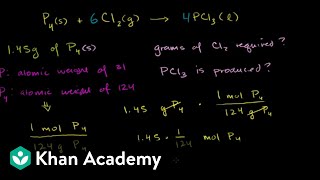 Stoichiometry example problem 1 ✓ Check-ins11:36
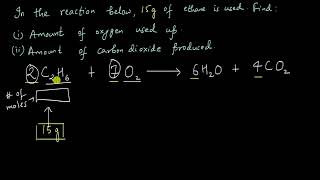 Calculating amount of reactants and products4:57
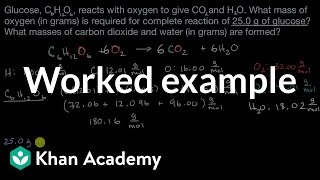 Worked example: Calculating amounts of reactants and products ✓ Check-ins12:06
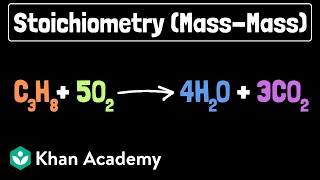 Stoichiometry: Mass-to-mass and limiting reagent ✓ Check-ins14:56
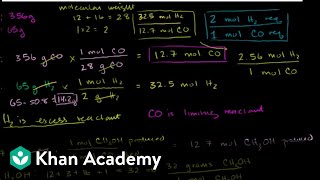 Limiting reactant example problem 1 edited ✓ Check-ins18:04
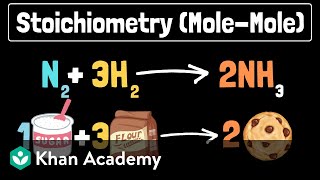 Stoichiometry: mole-to-mole and percent yield ✓ Check-ins10:24
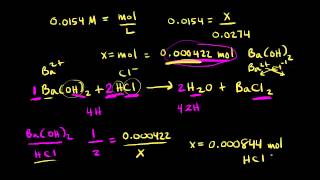 Worked example: Determining solute concentration by acid–base titration ✓ Check-ins7:50
 Worked example: Determining an empirical formula from percent composition data ✓ Check-ins4:35
 Worked example: Determining an empirical formula from combustion data ✓ Check-ins10:02
 Worked example: Calculating mass percent ✓ Check-ins5:38
Unit 4: Electrochemistry
Understanding electrolysis
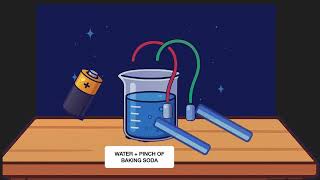
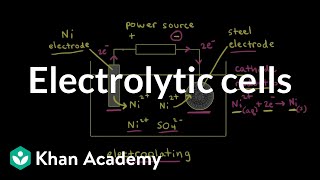
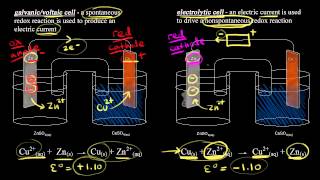
Electrolysis of aqueous and molten electrolytes
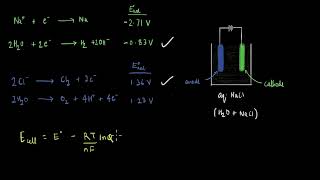
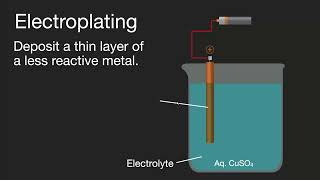
Electroplating
Unit 5: Chemical energetics
Exothermic and endothermic reactions
 Exothermic and endothermic reactions11:29
 Endothermic and exothermic reactions ✓ Check-ins5:43
 Exothermic and endothermic: Common processes and solved examples6:11
 Endothermic and exothermic processes ✓ Check-ins8:00
 Enthalpy ✓ Check-ins8:34
 Representing endothermic and exothermic processes using energy diagrams ✓ Check-ins5:05
 Bond enthalpies ✓ Check-ins9:33
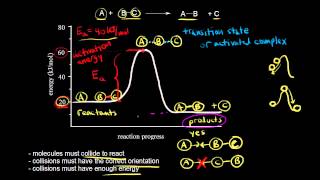 Collision theory ✓ Check-ins8:48
 Energy changes in chemical reactions (part 1) ✓ Check-ins7:24
 Energy changes in chemical reactions (part 2) ✓ Check-ins7:46
 Catalysts ✓ Check-ins5:03
 Worked example: Using bond enthalpies to calculate enthalpy of reaction ✓ Check-ins9:03
Unit 6: Chemical reactions
Physical and chemical changes
Rate of reaction
 Collision theory and the Maxwell–Boltzmann distribution ✓ Check-ins7:28
 The Maxwell–Boltzmann distribution ✓ Check-ins9:30
- Catalysts ✓ Check-ins5:03
 Enzymes and activation energy ✓ Check-ins5:32
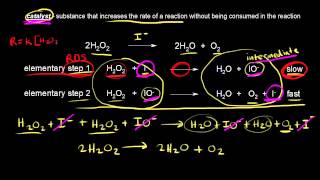 Catalysts ✓ Check-ins7:30
 Factors affecting reaction rates ✓ Check-ins5:29
 Introduction to reaction rates ✓ Check-ins9:14
 Introduction to kinetics ✓ Check-ins15:27
Reversible reactions and equilibrium
 Reversible reactions and equilibrium ✓ Check-ins2:39
 Direction of reversible reactions ✓ Check-ins7:28
 Dynamic equilibrium ✓ Check-ins8:11
 Le Châtelier's principle ✓ Check-ins5:46
 Worked example: Using Le Chȃtelier’s principle to predict shifts in equilibrium ✓ Check-ins3:58
 Le Chȃtelier’s principle: Changing temperature ✓ Check-ins11:16
 Worked example: Calculating the equilibrium total pressure after a change in volume ✓ Check-ins7:11
 Le Chȃtelier’s principle: Changing concentration ✓ Check-ins8:38
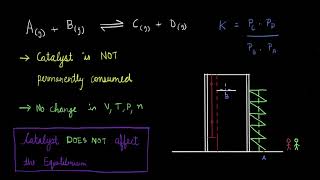 Le Chatelier's Principle: Adding a catalyst4:43
Redox reactions
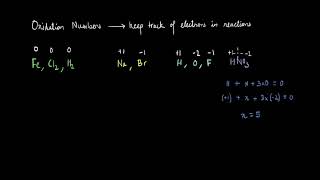 Common simple redox reaction6:58
 Oxidation and reduction (Conventional definition)10:09
 Oxidation and reduction ✓ Check-ins11:04
 Oxidation state trends in periodic table ✓ Check-ins8:38
 Practice determining oxidation states ✓ Check-ins4:27
 Unusual oxygen oxidation states ✓ Check-ins4:15
 Worked example: Using oxidation numbers to identify oxidation and reduction ✓ Check-ins5:03
 Simple redox reactions ✓ Check-ins12:55
 Redox titrations ✓ Check-ins7:58
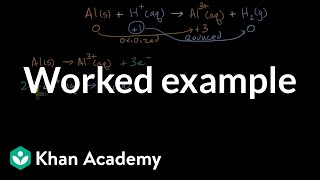 Worked example: Balancing a simple redox equation ✓ Check-ins7:11
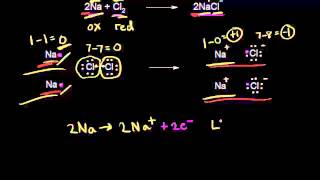 Oxidizing and reducing agents ✓ Check-ins8:30
Unit 7: Acids, bases and salts
The characteristic properties of acids and bases
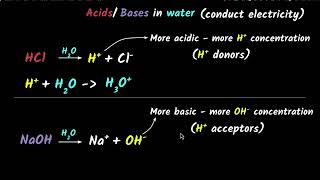 Common properties of acidbases and pH importance6:35
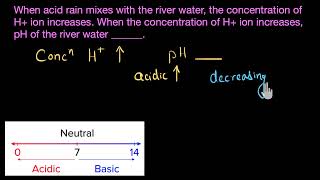 pH change and the concentration of H+OH6:26
 Arrhenius acids and bases ✓ Check-ins7:50
 Intro to acids and bases ✓ Check-ins12:13
 Brønsted–Lowry acids and bases ✓ Check-ins8:57
 Acid-base definitions ✓ Check-ins8:31
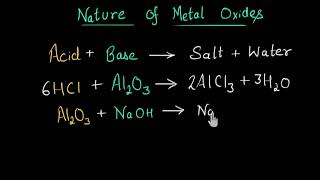
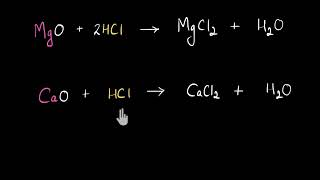 Metal and non metal oxides, reacting with acids and bases7:40
 Metals reacting with water10:46
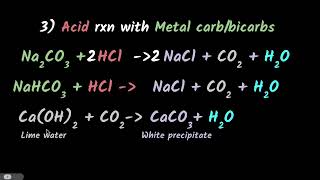 Reaction of acids & bases9:58
 Reaction of acids and bases with metals7:07
 Reaction of acids with metal carbonates and bicarbonates6:04
 Neutralization Reaction - Acid base reactions6:16
 Acid base neutralisation reaction7:41
 Strong acid–strong base reactions ✓ Check-ins9:29
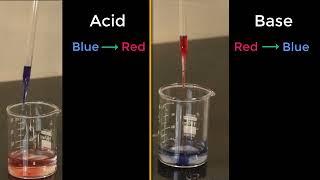 Litmus solution (Natural indicator)10:14
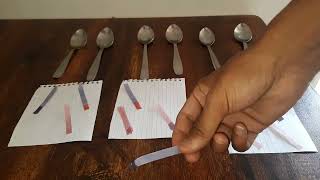 Litmus paper as an Indicator5:02
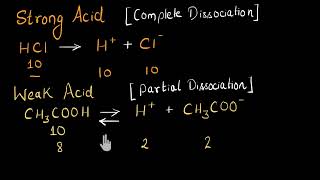 Strong and weak acids/bases5:16
 Weak acid equilibria ✓ Check-ins11:10
 Strong base solutions ✓ Check-ins5:27
 Introduction to pH ✓ Check-ins5:22
 The pH scale ✓ Check-ins7:44
Unit 8: The periodic table
Arrangement of elements
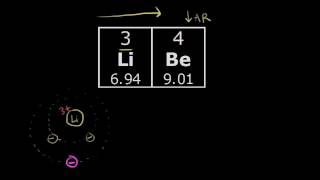
Transition elements
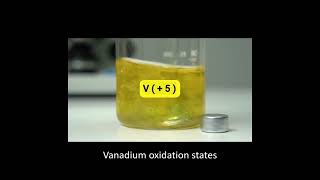
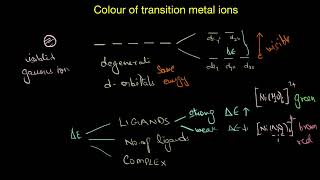
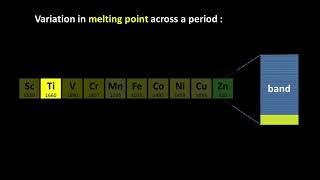
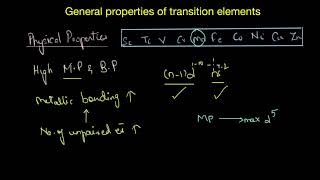
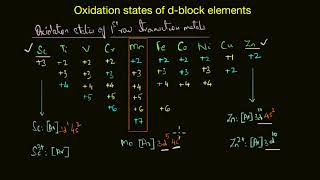
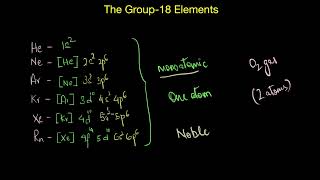
Unit 9: Metals
Properties of metals
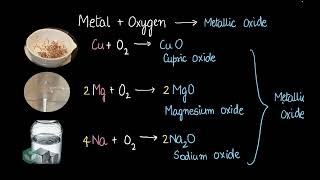
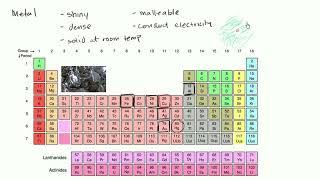
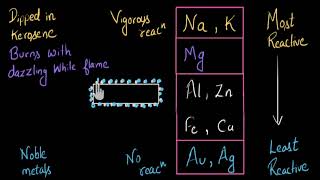
Uses of metals
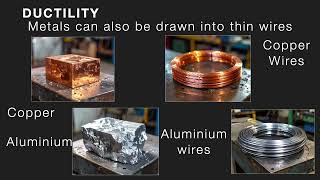
Alloys and their properties
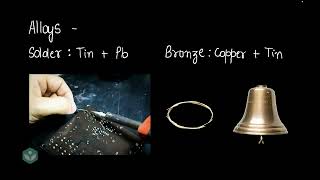
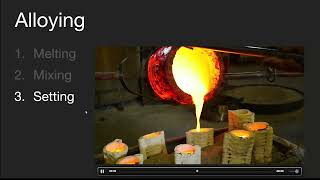
Reactivity series
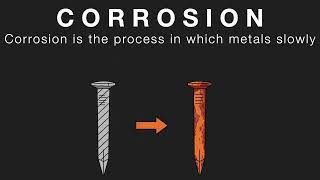
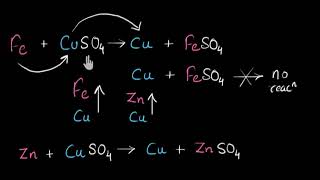
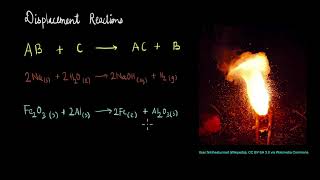
Corrosion of metals
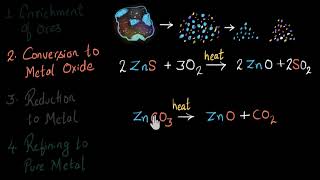
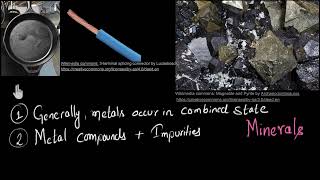
Unit 10: Chemistry of the environment
Water
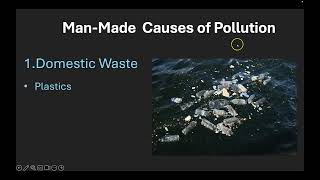 Water Pollution Causes and Types of Pollutant8:05
 Human impact on aquatic environments ✓ Check-ins4:42
 Sewage treatment ✓ Check-ins4:53
 WATCH: Cleaning Water Pollution in the Industrial Revolution ✓ Check-ins4:04
 Importance of water for life ✓ Check-ins8:52
 Eutrophication and dead zones ✓ Check-ins6:36
 The scientific method ✓ Check-ins11:49
 Boiling point elevation and freezing point depression ✓ Check-ins14:00
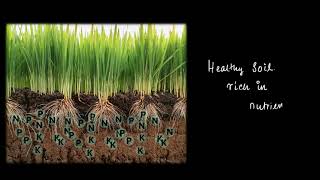
Air quality and climate
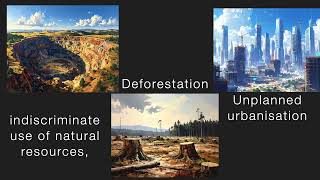 Need for Conservation - Environment5:27
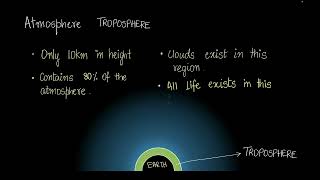 Air5:35
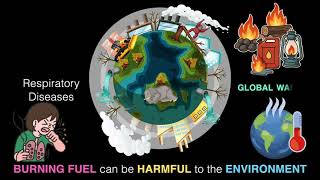 Harmful effects of burning fuel5:19
 Pollution and human health ✓ Check-ins6:26
 Earth's changing climate ✓ Check-ins4:30
 Air Pollution - Atmosphere9:43
 A thermal inversion example: the Donora smog ✓ Check-ins1:54
 Greenhouse effect and greenhouse gases ✓ Check-ins6:59
 The greenhouse effect ✓ Check-ins13:28
 Acid rain ✓ Check-ins7:41
 Reduction of air pollutants ✓ Check-ins6:38
 Photosynthesis ✓ Check-ins13:37
 Breaking down photosynthesis stages ✓ Check-ins4:48
 Photosynthesis13:44
 Photosynthesis in organisms ✓ Check-ins4:01
Unit 11: Organic chemistry
Formulae, functional groups and terminology
 Alkanes, Alkenes and Alkynes General molecular formulae15:56
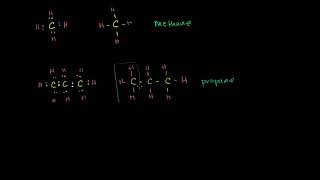 Representing structures of the organic molecules7:29
- Dot structures I: Single bonds ✓ Check-ins6:57
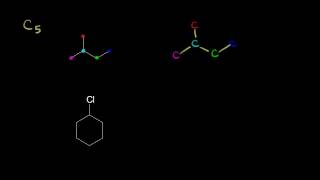 Bond-line structures ✓ Check-ins12:57
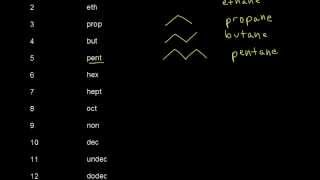 Alkane and cycloalkane nomenclature I ✓ Check-ins12:41
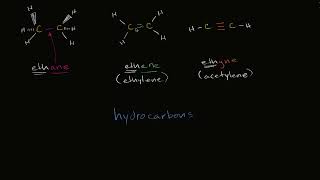 Hydrocarbon overview: Alkanes, Alkenes, and Alkynes2:17
- Dot structures II: Multiple bonds ✓ Check-ins5:59
 Alkene structure and classification ✓ Check-ins8:13
 Isomers ✓ Check-ins6:49
 Functional groups10:03
 Functional groups ✓ Check-ins7:23
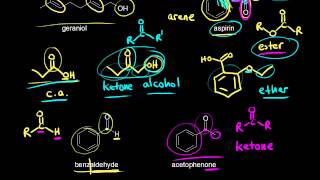 Identifying functional groups ✓ Check-ins9:18
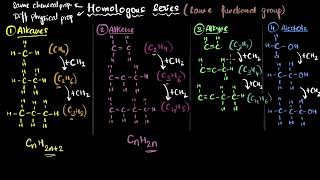 Homologous series7:10
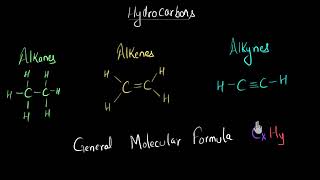 Alkanes, Alkenes, and Alkynes General molecular formula5:06
Naming organic compounds
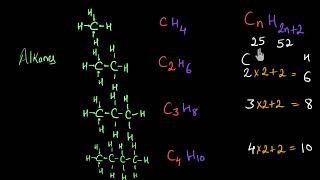

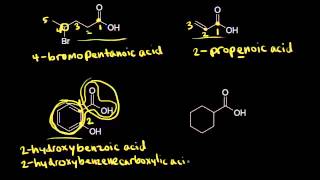
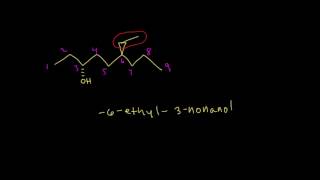
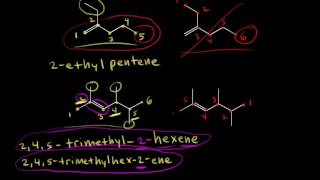
Fuels
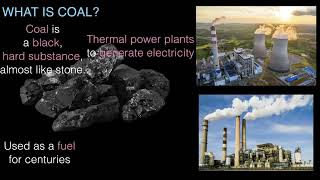
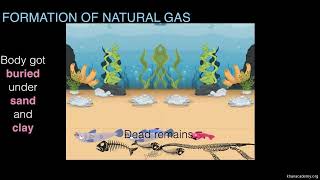
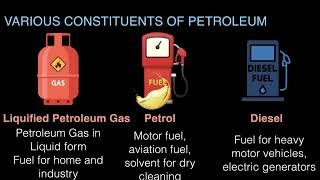
Alkanes
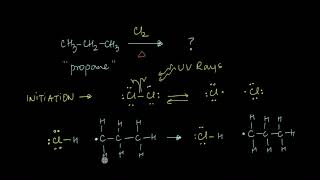

Alkenes
Alcohols
Carboxylic acids
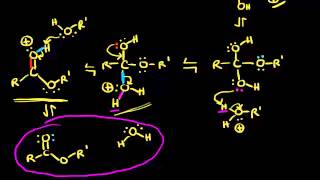
Polymers
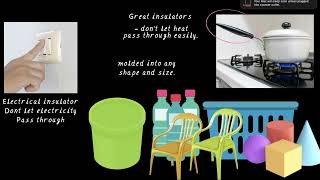 Properties & uses of plastic6:05
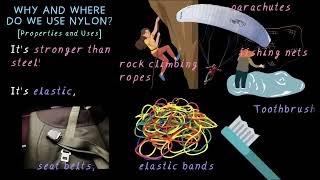 Rayon Nylon Polyester & Acrylic7:18
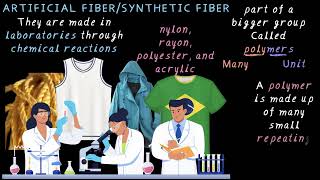 Introduction to Polymers & Synthetic Fibers5:06
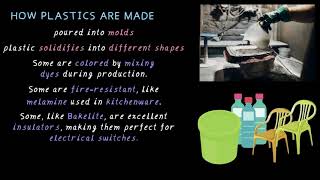 How are plastics made?3:47
 Plastics & Types of Plastics6:25
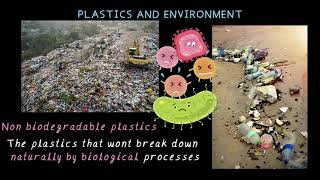 Plastics and environment5:58
 Crystalline and amorphous polymers ✓ Check-ins4:42
 Peptide bonds: Formation and cleavage ✓ Check-ins7:11
 Introduction to proteins and amino acids ✓ Check-ins5:53
 Amino acid structure ✓ Check-ins10:55
 Peptide bond formation ✓ Check-ins8:26
Unit 12: Experimental design
Definitions
Acid–base titrations
Chromatography
Separation and purification
Learn this with a class
With a class on Puzzicle this course runs as a timetable of live study parties: your batch watches together and answers the check-ins, sometimes with a teacher leading.
Course content © Khan Academy, used under CC BY-NC-SA. See this course on Khan Academy.