AP®︎/College Macroeconomics
Macroeconomics is about whole economies. What is GDP? Why does the economy boom and bust? How is the government involved? We hit the traditional topics from a college-level macroeconomics course.
7 units107 videos13 hours
Learn it live with a class on Puzzicle · Teachers: use it with your class
Unit 1: Basic economics concepts
Scarcity


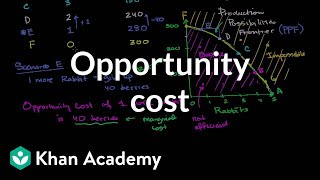
Opportunity cost and the Production Possibilities Curve

Comparative advantage and the gains from trade
 Comparative advantage, specialization, and gains from trade ✓ Check-ins8:56
 Comparative advantage and absolute advantage ✓ Check-ins10:16
 Opportunity cost and comparative advantage using an output table ✓ Check-ins9:55
 Terms of trade and the gains from trade ✓ Check-ins9:56
 Input approach to determining comparative advantage ✓ Check-ins8:52
 When there aren't gains from trade ✓ Check-ins6:50
 Comparative advantage worked example ✓ Check-ins9:48
Demand
 Law of demand ✓ Check-ins8:16
 Price of related products and demand ✓ Check-ins5:48
 Change in expected future prices and demand ✓ Check-ins4:34
 Changes in income, population, or preferences ✓ Check-ins3:33
 Normal and inferior goods ✓ Check-ins5:56
 Change in demand versus change in quantity demanded ✓ Check-ins8:27
Supply

Market equilibrium, disequilibrium, and changes in equilibrium


Unit 2: Economic indicators and the business cycle
The Circular Flow and GDP
 Circular flow of income and expenditures ✓ Check-ins8:58
 Parsing gross domestic product ✓ Check-ins11:59
 More on final and intermediate GDP contributions ✓ Check-ins2:50
 Investment and consumption ✓ Check-ins7:32
 Income and expenditure views of GDP ✓ Check-ins4:49
 Value added approach to calculating GDP ✓ Check-ins5:16
 Components of GDP ✓ Check-ins4:58
 Expenditure approach to calculating GDP examples ✓ Check-ins8:06
Limitations of GDP
Unemployment
Price Indices and inflation
Costs of Inflation
Real vs. nominal GDP

Unit 3: National income and price determination
Short-run aggregate supply
Long-run aggregate supply
Equilibrium in the AD-AS Model
Changes in the AD-AS model in the short run
Long run self-adjustment
Fiscal policy
Automatic stabilizers
Unit 4: Financial sector
Financial assets
Nominal vs. real interest rates
Definition, measurement, and functions of money
Banking and the expansion of the money supply
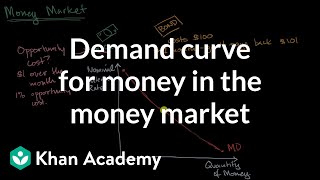
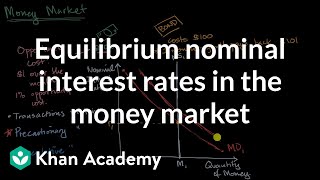
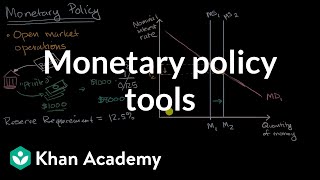
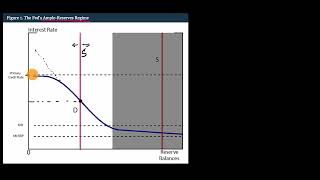
The money market
Unit 5: Long-run consequences of stabilization policies
Fiscal and Monetary Policy Actions in the Short Run
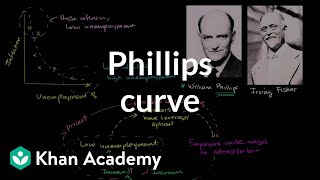
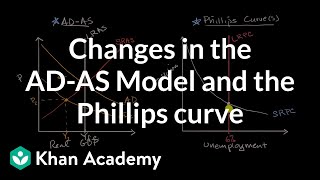
The Phillips curve
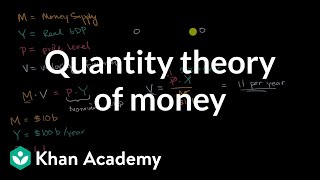
Money growth and inflation
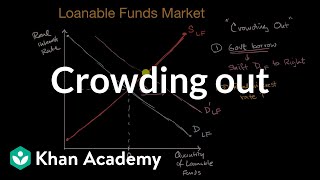
Crowding out
Deficits and debts
Economic growth
Public policy and economic growth
Unit 6: Open economy: international trade and finance
The balance of payments
Exchange rates
The foreign exchange market

Effect of changes in policies and economic conditions on the foreign exchange market
Changes in the foreign exchange markets and net exports
Real Interest Rates and International Capital Flows
Unit 7: Resources and exam preparation
Prepare for the 2020 AP Macro Exam
Learn this with a class
With a class on Puzzicle this course runs as a timetable of live study parties: your batch watches together and answers the check-ins, sometimes with a teacher leading.
Course content © Khan Academy, used under CC BY-NC-SA. See this course on Khan Academy.