Health and medicine
The medical world can be a confusing place. Patients, their families, and even students entering health fields might feel overwhelmed by the large vocabularies and complicated explanations. We hope to make understanding the medical world a bit easier. Look around! These videos do not provide medical advice and are for informational purposes only. The videos are not intended to be a substitute for professional medical advice, diagnosis or treatment. Always seek the advice of a qualified health provider with any questions you may have regarding a medical condition. Never disregard professional medical advice or delay seeking it because of something you have read or seen in any Khan Academy video.
Learn it live with a class on Puzzicle · Teachers: use it with your class
Unit 1: Introduction to human body systems
Circulatory system introduction
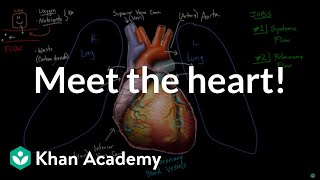 Meet the heart! ✓ Check-ins10:09
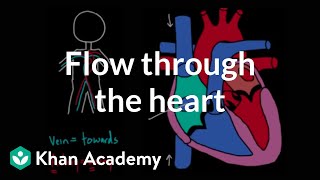 Flow through the heart ✓ Check-ins7:51
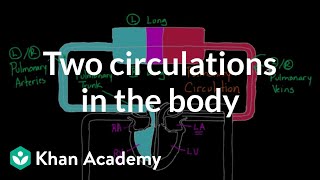 Two circulations in the body ✓ Check-ins12:25
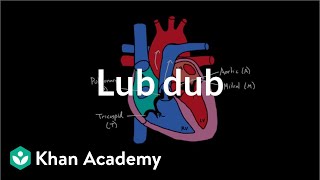 Lub dub ✓ Check-ins9:50
 Parts of the heart ✓ Check-ins12:13
 Arteries vs. veins - what's the difference? ✓ Check-ins7:44
 Arteries, arterioles, venules, and veins ✓ Check-ins7:43
 What is blood pressure? ✓ Check-ins6:21
Respiratory system introduction

Hematologic system introduction

Endocrine system introduction
Nervous system introduction
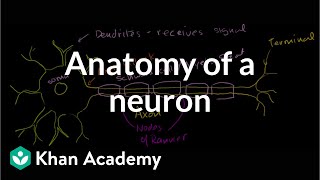 Anatomy of a neuron ✓ Check-ins6:13
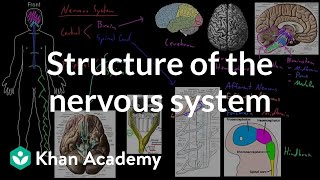 Structure of the nervous system ✓ Check-ins8:48
 Functions of the nervous system ✓ Check-ins6:38
 Introduction to neural cell types ✓ Check-ins4:11
 Overview of neuron function ✓ Check-ins7:59
- Synapse structure
 Neuronal synapses (chemical) ✓ Check-ins15:53
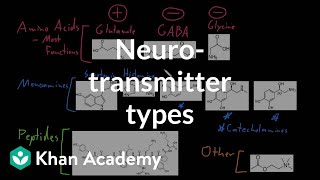 Types of neurotransmitters ✓ Check-ins8:46
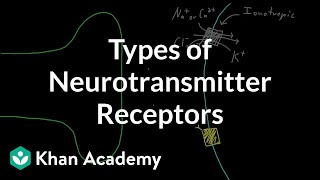 Types of neurotransmitter receptors ✓ Check-ins6:36
Gastrointestinal system introduction
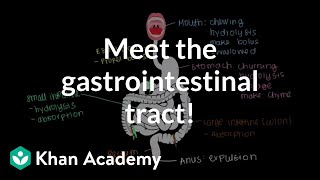 Meet the gastrointestinal tract! ✓ Check-ins5:21
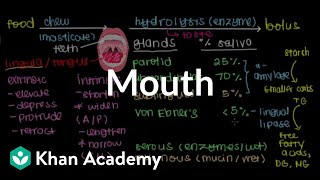 Mouth ✓ Check-ins7:30
 Esophagus ✓ Check-ins5:34
 Stomach ✓ Check-ins5:58
 Small intestine 1: Structure6:30
 Small intestine 2: Digestion ✓ Check-ins6:45
 Small intestine 3: Absorption ✓ Check-ins4:55
 Liver ✓ Check-ins6:28
 Biliary tree ✓ Check-ins6:00
 Exocrine pancreas ✓ Check-ins9:49
 Endocrine pancreas ✓ Check-ins6:50
 Colon, rectum, and anus ✓ Check-ins9:45
Musculoskeletal system introduction
 Myosin and actin ✓ Check-ins9:38
 How tropomyosin and troponin regulate muscle contraction ✓ Check-ins9:22
 Anatomy of a skeletal muscle cell ✓ Check-ins12:42
 Neuromuscular junction, motor end-plate ✓ Check-ins9:00
 Three types of muscle ✓ Check-ins11:29
 Type 1 and type 2 muscle fibers ✓ Check-ins9:09
 Skeletal structure and function ✓ Check-ins6:52
 Microscopic structure of bone - the Haversian system ✓ Check-ins4:09
Reproductive system introduction
 Welcome to the reproductive system ✓ Check-ins6:38
 Anatomy of the male reproductive system ✓ Check-ins10:03
 Transport of sperm via erection and ejaculation ✓ Check-ins10:57
 Spermatogenesis ✓ Check-ins10:28
 Testosterone ✓ Check-ins9:40
 Basics of egg development ✓ Check-ins7:19
 The ovarian cycle ✓ Check-ins10:45
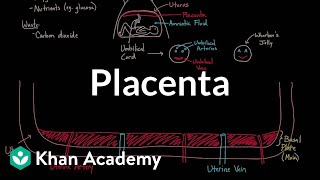 Meet the placenta! ✓ Check-ins12:33
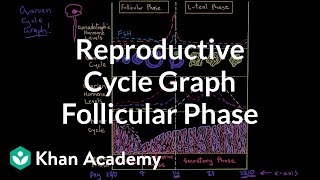 Reproductive cycle graph - Follicular phase ✓ Check-ins8:39
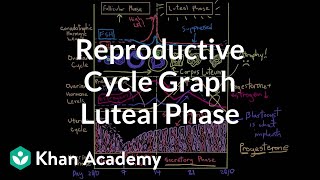 Reproductive cycle graph - Luteal phase ✓ Check-ins9:05
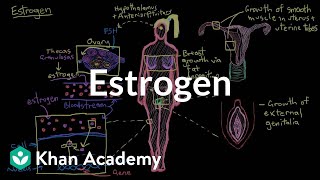 Estrogen ✓ Check-ins7:21
 Breast anatomy and lactation ✓ Check-ins7:27
Immunologic system introduction
 Role of phagocytes in innate or nonspecific immunity ✓ Check-ins16:20
 Types of immune responses: Innate and adaptive, humoral vs. cell-mediated ✓ Check-ins8:07
 B lymphocytes (B cells) ✓ Check-ins14:13
 Professional antigen presenting cells (APC) and MHC II complexes ✓ Check-ins11:33
 Helper T cells ✓ Check-ins20:33
 Cytotoxic T cells ✓ Check-ins10:06
 Review of B cells, CD4+ T cells and CD8+ T cells ✓ Check-ins11:07
 Clonal selection ✓ Check-ins9:49
 Self vs. non-self immunity ✓ Check-ins14:29
 How white blood cells move around ✓ Check-ins8:48
 Inflammatory response ✓ Check-ins14:35
 Blood cell lineages8:20
Urinary system introduction
 Meet the kidneys! ✓ Check-ins6:24
 Kidney function and anatomy ✓ Check-ins7:58
 Glomerular filtration in the nephron ✓ Check-ins7:18
 Changing glomerular filtration rate ✓ Check-ins4:25
 Countercurrent multiplication in the kidney ✓ Check-ins10:53
 Urination ✓ Check-ins9:33
 The kidney and nephron ✓ Check-ins18:38
 Secondary active transport in the nephron ✓ Check-ins14:13
Integumentary system introduction
 Meet the skin! (Overview) ✓ Check-ins5:16
 What is skin? (Epidermis) ✓ Check-ins11:08
 What lies beneath the epidermis? (Dermis and Hypodermis) ✓ Check-ins10:07
 Where do our nails and hair come from? ✓ Check-ins8:38
 What's in sweat? (Holocrine, Apocrine, Merocrine Glands) ✓ Check-ins6:26
 LeBron Asks: Why does sweating cool you down? ✓ Check-ins5:41
 Overview of Sensation and Meissner's Corpuscle8:03
 Pacinian's Corpuscle and Merkel's Disk ✓ Check-ins7:18
 Ruffini's Ending and Hair Follicle Receptor ✓ Check-ins7:32
 Pain and temperature ✓ Check-ins9:22
 Thermoregulation mechanisms ✓ Check-ins8:23
Unit 2: Circulatory system anatomy and physiology
Circulatory anatomy and blood flow
- Meet the heart! ✓ Check-ins10:09
- Flow through the heart ✓ Check-ins7:51
- Two circulations in the body ✓ Check-ins12:25
- Parts of the heart ✓ Check-ins12:13
- Lub dub ✓ Check-ins9:50
- Arteries vs. veins - what's the difference? ✓ Check-ins7:44
- Arteries, arterioles, venules, and veins ✓ Check-ins7:43
 Thermoregulation in the circulatory system ✓ Check-ins7:02
Heart muscle contraction
- Three types of muscle ✓ Check-ins11:29
 Heart cells up close! ✓ Check-ins14:00
- Myosin and actin ✓ Check-ins9:38
- How tropomyosin and troponin regulate muscle contraction ✓ Check-ins9:22
 Calcium puts myosin to work ✓ Check-ins10:03
 Sympathetic nerves affect myosin activity ✓ Check-ins12:02
 Why doesn't the heart rip? ✓ Check-ins10:26
Heart depolarization
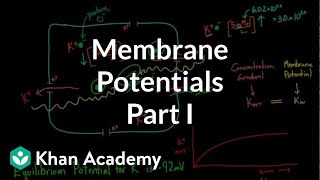 Membrane potentials - part 1 ✓ Check-ins8:22
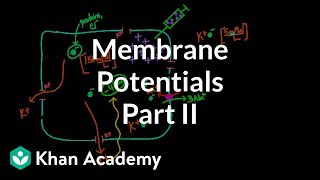 Membrane potentials - part 2 ✓ Check-ins8:45
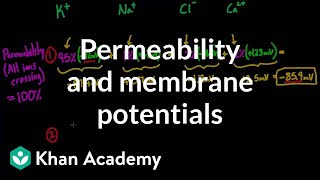 Permeability and membrane potentials ✓ Check-ins12:42
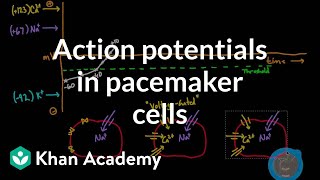 Action potentials in pacemaker cells ✓ Check-ins15:40
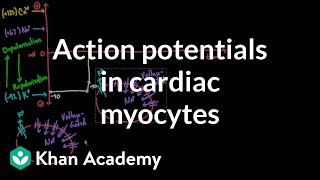 Action potentials in cardiac myocytes ✓ Check-ins12:11
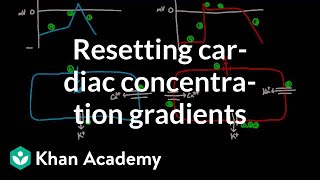 Resetting cardiac concentration gradients ✓ Check-ins14:58
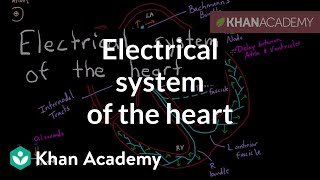 Electrical system of the heart ✓ Check-ins9:43
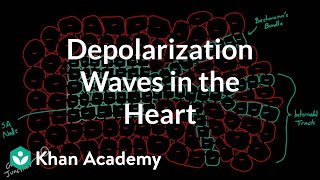 Depolarization waves flowing through the heart ✓ Check-ins11:44
 A race to keep pace! ✓ Check-ins13:25
 Thinking about heartbeats ✓ Check-ins9:30
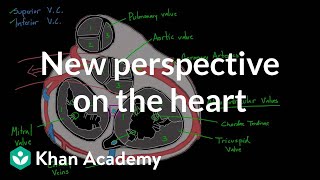 New perspective on the heart ✓ Check-ins8:52
Blood pressure
- What is blood pressure? ✓ Check-ins6:21
 Learn how a stethoscope can help determine blood pressure ✓ Check-ins5:27
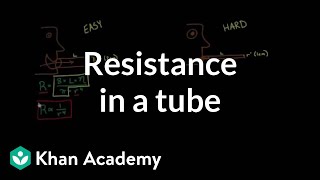 Resistance in a tube ✓ Check-ins8:54
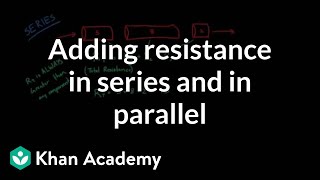 Adding up resistance in series and in parallel ✓ Check-ins10:33
 Adding up resistance problem ✓ Check-ins3:23
 Flow and perfusion ✓ Check-ins10:31
 Putting it all together: Pressure, flow, and resistance ✓ Check-ins11:50
 Blood pressure changes over time ✓ Check-ins11:25
 Regulation of blood pressure with baroreceptors ✓ Check-ins12:09
Blood vessels
- Arteries vs. veins - what's the difference? ✓ Check-ins7:44
- Arteries, arterioles, venules, and veins ✓ Check-ins7:43
 Layers of a blood vessel ✓ Check-ins10:11
 Three types of capillaries ✓ Check-ins9:17
 Pre-capillary sphincters4:20
 Compliance and elastance ✓ Check-ins9:57
 Bernoulli's equation of total energy ✓ Check-ins6:58
 Stored elastic energy in large and middle sized arteries ✓ Check-ins6:21
 Compliance - decreased blood pressure ✓ Check-ins9:55
 Compliance - increased blood flow ✓ Check-ins6:54
Blood pressure control by the kidney
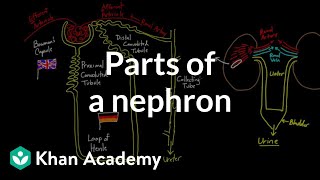 Parts of a nephron ✓ Check-ins9:09
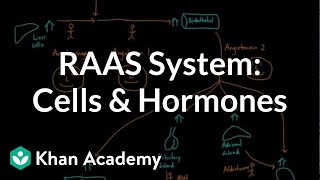 General overview of the RAAS system: Cells and hormones ✓ Check-ins14:09
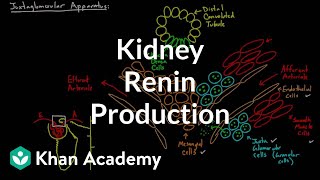 Renin production in the kidneys ✓ Check-ins14:09
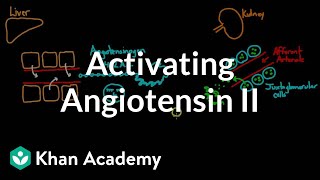 Activating angiotensin 2 ✓ Check-ins10:20
 Angiotensin 2 raises blood pressure ✓ Check-ins10:40
 Aldosterone raises blood pressure and lowers potassium ✓ Check-ins13:18
 Aldosterone removes acid from the blood ✓ Check-ins11:20
 ADH secretion ✓ Check-ins15:05
 ADH effects on blood pressure ✓ Check-ins9:33
 Aldosterone and ADH ✓ Check-ins9:47
Nerve regulation of the heart

Preload and afterload
- Why doesn't the heart rip? ✓ Check-ins10:26
 What is preload? ✓ Check-ins13:33
 Preload and pressure ✓ Check-ins12:23
 Preload stretches out the heart cells ✓ Check-ins12:41
 Frank-Starling mechanism ✓ Check-ins14:18
 Sarcomere length-tension relationship ✓ Check-ins8:50
 Active contraction vs. passive recoil ✓ Check-ins7:31
 What is afterload? ✓ Check-ins10:28
 Increasing the heart's force of contraction ✓ Check-ins14:30
Pressure volume loops
 Pressure in the left heart - part 1 ✓ Check-ins14:59
 Pressure in the left heart - part 2 ✓ Check-ins12:44
 Pressure in the left heart - part 3 ✓ Check-ins13:02
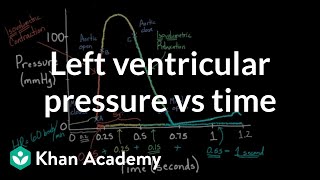 Left ventricular pressure vs. time ✓ Check-ins10:51
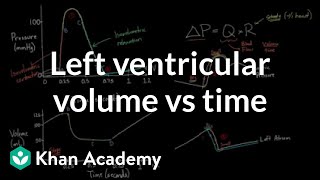 Left ventricular volume vs. time ✓ Check-ins9:01
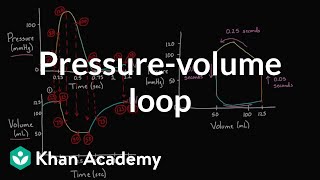 Drawing a pressure-volume loop ✓ Check-ins9:04
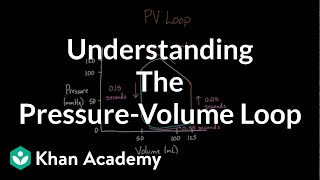 Understanding the pressure-volume loop ✓ Check-ins9:18
 End diastolic pressure-volume relationship (EDPVR) ✓ Check-ins9:58
 End systolic pressure-volume relationship (ESPVR) ✓ Check-ins10:23
 Reimagine the pressure volume relationship ✓ Check-ins13:38
- What is preload? ✓ Check-ins13:33
- Why doesn't the heart rip? ✓ Check-ins10:26
Changing the PV loop
- What is preload? ✓ Check-ins13:33
- What is afterload? ✓ Check-ins10:28
- Increasing the heart's force of contraction ✓ Check-ins14:30
- Reimagine the pressure volume relationship ✓ Check-ins13:38
 What is contractility? ✓ Check-ins13:45
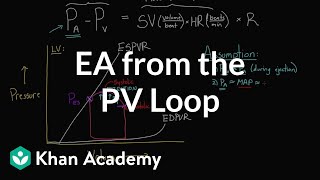 Getting Ea (arterial elastance) from the PV loop ✓ Check-ins11:21
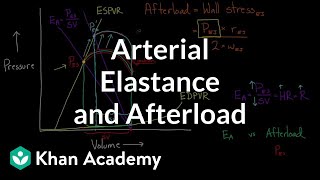 Arterial elastance (Ea) and afterload ✓ Check-ins9:33
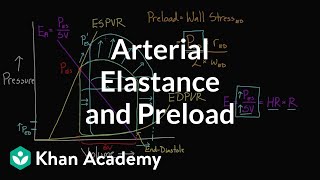 Arterial elastance (Ea) and preload ✓ Check-ins7:43
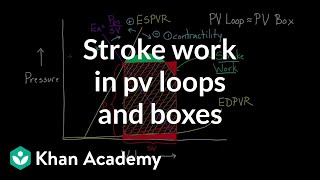 Stroke work in PV loops and boxes ✓ Check-ins6:53
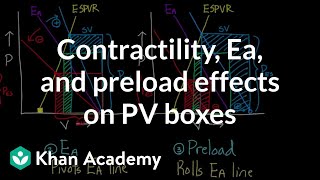 Contractility, Ea, and preload effects on PV boxes ✓ Check-ins13:11
Fetal circulation
- Meet the placenta! ✓ Check-ins12:33
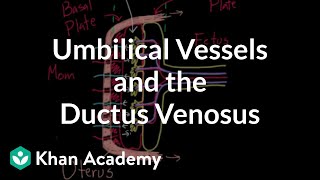 Umbilical vessels and the ductus venosus ✓ Check-ins12:33
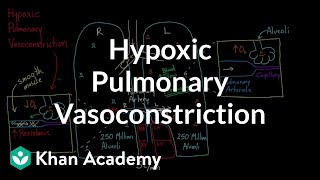 Hypoxic pulmonary vasoconstriction ✓ Check-ins9:14
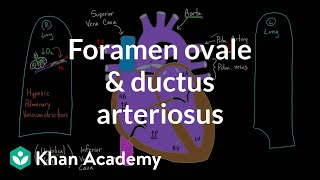 Foramen ovale and ductus arteriosus ✓ Check-ins14:13
 Fetal hemoglobin and hematocrit ✓ Check-ins14:32
 Double Bohr effect ✓ Check-ins10:34
 Fetal circulation right before birth ✓ Check-ins11:53
 Baby circulation right after birth ✓ Check-ins13:25
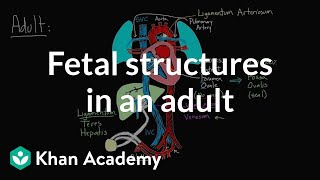 Fetal structures in an adult ✓ Check-ins8:17
Unit 3: Circulatory system diseases
Heart disease and heart attacks
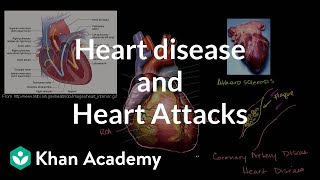 Introductory heart disease terminology12:21
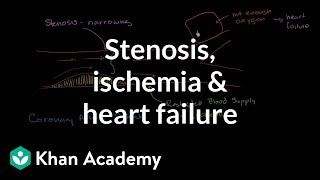 Stenosis, ischemia and heart failure ✓ Check-ins7:53
 Thromboemboli and thromboembolisms ✓ Check-ins5:04
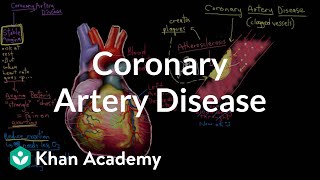 What is coronary artery disease? ✓ Check-ins13:39
 Risk factors for coronary artery disease ✓ Check-ins12:34
 Atherosclerosis ✓ Check-ins13:45
 Heart attack (myocardial infarction) pathophysiology ✓ Check-ins11:49
 Heart attack (myocardial infarct) diagnosis ✓ Check-ins10:45
 Heart attack (myocardial infarct) medications ✓ Check-ins5:34
 Heart attack (myocardial infarction) interventions and treatment ✓ Check-ins7:24
 Healing after a heart attack (myocardial infarction) ✓ Check-ins7:43
 Complications after a heart attack (myocardial infarction) ✓ Check-ins9:08
Atherosclerosis, arteriosclerosis, and arteriolosclerosis
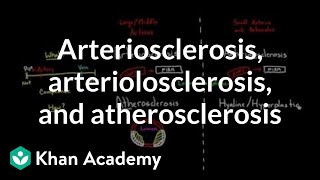
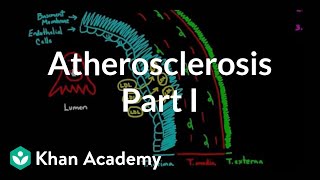
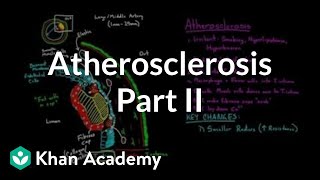
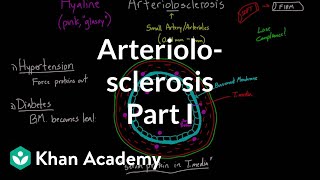
Stroke
 Cerebral blood supply: Part 1 ✓ Check-ins10:23
 Cerebral blood supply: Part 2 ✓ Check-ins4:32
 What is a stroke? ✓ Check-ins11:28
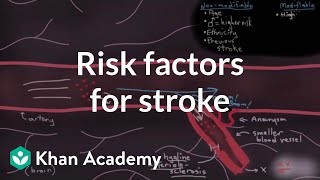 Risk factors for stroke ✓ Check-ins11:41
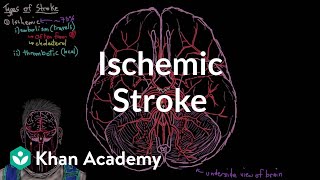 Ischemic stroke ✓ Check-ins8:22
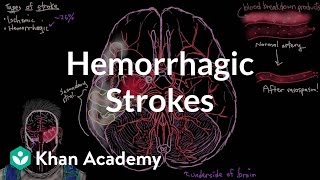 Hemorrhagic strokes ✓ Check-ins7:28
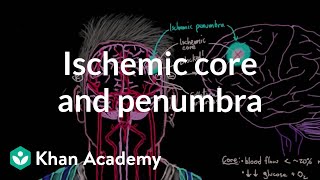 Ischemic core and penumbra ✓ Check-ins4:57
 The ischemic cascade in stroke ✓ Check-ins6:35
 Blood brain barrier and vasogenic edema ✓ Check-ins6:02
 Post stroke inflammation ✓ Check-ins6:00
Stroke diagnosis and management
 How do you know if someone is having a stroke: Think FAST! ✓ Check-ins4:33
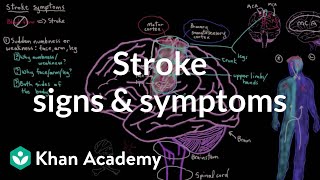 Common stroke signs and symptoms ✓ Check-ins8:26
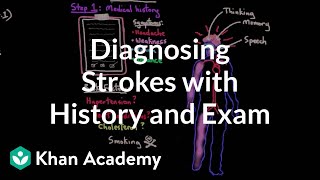 Diagnosing strokes by history and physical exam ✓ Check-ins4:52
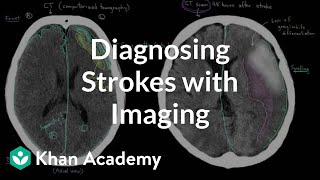 Diagnosing strokes with imaging CT, MRI, and Angiography ✓ Check-ins9:30
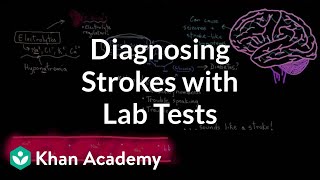 Diagnosing strokes with lab tests ✓ Check-ins6:20
 Acute treatment of stroke with medications ✓ Check-ins9:18
 Treatment of stroke with interventions ✓ Check-ins7:14
 Preventing further strokes ✓ Check-ins8:54
Hypertension
 Intro to hypertension (Pressure, flow, and resistance) ✓ Check-ins4:33
 Intro to hypertension (systolic and diastolic blood pressure) ✓ Check-ins7:09
 Stages of hypertension ✓ Check-ins6:14
 Hypertension types and causes ✓ Check-ins8:27
 Primary hypertension ✓ Check-ins5:51
 Secondary hypertension ✓ Check-ins5:41
 Hypertension effects on the blood vessels ✓ Check-ins7:09
 Hypertension and blood vessel damage ✓ Check-ins4:36
 Hypertension effects on the heart ✓ Check-ins7:19
 Hypertension and heart damage ✓ Check-ins4:22
 Complications of hypertension ✓ Check-ins5:26
 Hypertensive crisis ✓ Check-ins4:09
 Diagnosis of hypertension ✓ Check-ins5:11
 Treatment of hypertension ✓ Check-ins5:27
 4 lifestyle changes to help manage hypertension ✓ Check-ins6:35
Heart failure
 What is heart failure? ✓ Check-ins8:37
 Systolic heart failure pathophysiology ✓ Check-ins7:31
 Diastolic heart failure pathophysiology ✓ Check-ins8:45
 Compensation and decompensation in heart failure ✓ Check-ins7:51
 Symptoms of left sided heart failure ✓ Check-ins4:57
 Symptoms of right sided heart failure ✓ Check-ins4:22
 Heart failure diagnosis6:16
 Heart failure treatment - Early stages ✓ Check-ins4:30
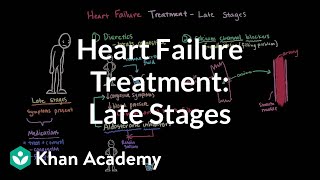 Heart failure treatment - Late stages ✓ Check-ins4:03
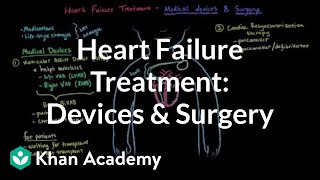 Heart failure treatment - Devices and surgery ✓ Check-ins5:05
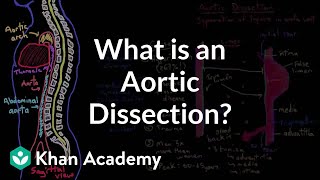
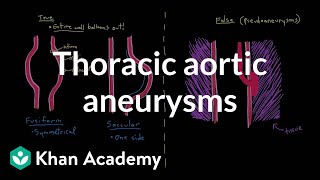
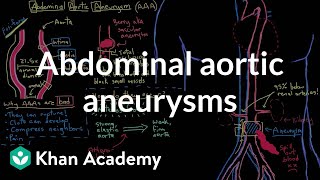
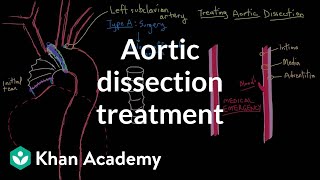
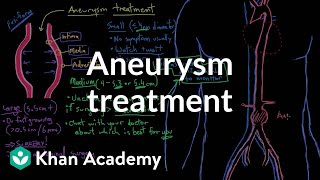
Aortic dissection and aneurysm
Myocarditis and pericarditis
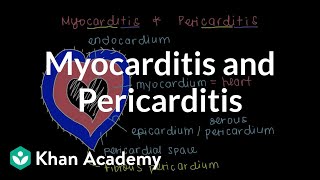 What is myocarditis and pericarditis? ✓ Check-ins6:46
 Causes of myocarditis ✓ Check-ins8:51
 Causes of pericarditis ✓ Check-ins10:11
 Diagnosis of myocarditis and pericarditis (part 1) ✓ Check-ins12:48
 Diagnosis of myocarditis and pericarditis (part 2) ✓ Check-ins13:43
 Myocarditis and pericarditis treatment ✓ Check-ins10:38
Cardiomyopathy
 What is cardiomyopathy? ✓ Check-ins10:34
 Cardiomyopathy signs and symptoms ✓ Check-ins13:13
 Dilated cardiomyopathy: Pathophysiology and diagnosis ✓ Check-ins10:07
 Hypertrophic cardiomyopathy: Pathophysiology and diagnosis ✓ Check-ins13:13
 Restrictive cardiomyopathy: Pathophysiology and diagnosis ✓ Check-ins9:50
 Cardiomyopathy treatment ✓ Check-ins7:37
Cardiac dysrhythmias and tachycardias
 Electrical conduction in heart cells ✓ Check-ins7:46
 Normal sinus rhythm on an EKG ✓ Check-ins8:53
 Supraventricular tachycardia (SVT) ✓ Check-ins6:39
 Atrial fibrillation (Afib) ✓ Check-ins3:58
 Atrial flutter (AFL) ✓ Check-ins3:56
 Multifocal atrial tachycardia (MAT) ✓ Check-ins6:20
 Atrioventricular reentrant tachycardia (AVRT) & AV nodal reentrant tachycardia (AVNRT) ✓ Check-ins10:43
 Ventricular tachycardia (Vtach) ✓ Check-ins7:44
 Torsades de pointes ✓ Check-ins10:00
 What is ventricle fibrillation (Vfib)? ✓ Check-ins8:49
 Pulseless electrical activity (PEA) and asystole ✓ Check-ins10:45
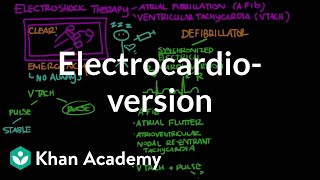 Electrocardioversion ✓ Check-ins7:04
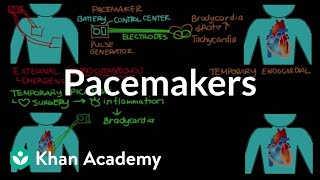 Pacemakers ✓ Check-ins7:37
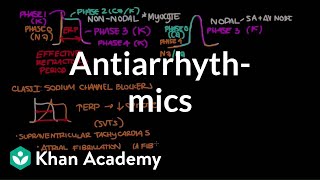 Antiarrhythmics ✓ Check-ins12:08
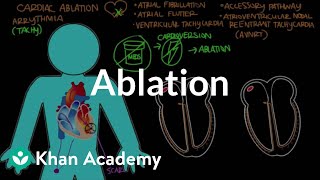 Ablation ✓ Check-ins7:03
Heart valve diseases
 What is valvular heart disease? ✓ Check-ins10:41
 Valvular heart disease causes ✓ Check-ins8:48
 How to identify murmurs ✓ Check-ins9:02
 Systolic murmurs, diastolic murmurs, and extra heart sounds - Part 1 ✓ Check-ins12:07
 Systolic murmurs, diastolic murmurs, and extra heart sounds - Part 2 ✓ Check-ins14:39
 Aortic stenosis and aortic regurgitation12:07
 Mitral valve regurgitation and mitral valve prolapse ✓ Check-ins11:00
 Mitral stenosis ✓ Check-ins9:11
 Valvular heart disease diagnosis and treatment ✓ Check-ins9:46
Acyanotic heart diseases
Cyanotic heart diseases
 What is cyanotic heart disease ✓ Check-ins7:12
 Shunting in the heart ✓ Check-ins9:47
 Einsenmenger coarctation of aorta ✓ Check-ins4:42
 Tetralogy of fallot ✓ Check-ins11:09
 Truncus arteriosus ✓ Check-ins3:23
 Total anomalous pulmonary venous return ✓ Check-ins3:40
 Tricuspid atresia ✓ Check-ins4:49
 Transposition of great arteries ✓ Check-ins5:18
 Ebstein's anomaly ✓ Check-ins6:07
 Hypoplastic left heart syndrome and norwood glenn fontan ✓ Check-ins10:36
 Cyanotic heart diseases - Diagnosis and treatment ✓ Check-ins3:48
Shock
 What is shock? ✓ Check-ins7:16
 Shock - hemodynamics ✓ Check-ins7:40
 Shock - oxygen delivery and metabolism ✓ Check-ins9:08
 Shock - diagnosis and treatment ✓ Check-ins11:19
 Cardiogenic shock ✓ Check-ins10:50
 Sepsis: Systemic inflammatory response syndrome (SIRS) to multiple organ dysfunction syndrome (MODS) ✓ Check-ins7:44
 Septic shock - pathophysiology and symptoms ✓ Check-ins10:00
 Septic shock: Diagnosis and treatment ✓ Check-ins7:52
 Hypovolemic shock ✓ Check-ins9:38
 Neurogenic shock ✓ Check-ins8:19
 Obstructive shock ✓ Check-ins11:17
 Anaphylactic shock ✓ Check-ins8:30
 Dissociative shock ✓ Check-ins12:19
 Differentiating shock ✓ Check-ins9:47
Vasculitis
 What is vasculitis? ✓ Check-ins6:46
 Vasculitis pathophysiology ✓ Check-ins5:57
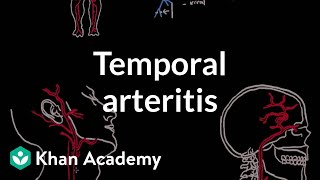 Temporal arteritis ✓ Check-ins10:17
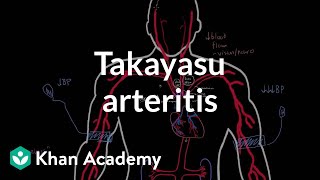 Takayasu arteritis ✓ Check-ins7:16
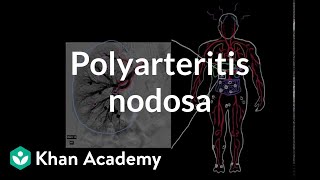 Polyarteritis nodosa ✓ Check-ins11:45
 What is Kawasaki disease? ✓ Check-ins5:42
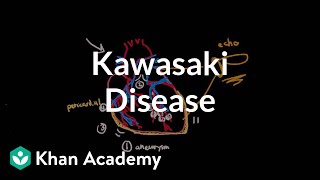 Kawasaki disease: diagnosis and treatment ✓ Check-ins12:31
 Buerger disease ✓ Check-ins4:34
 Churg-Strauss syndrome ✓ Check-ins4:05
 Henoch-Schonlein purpura ✓ Check-ins6:04
Unit 4: Respiratory system anatomy and physiology
Lung structure and function
Gas exchange


Unit 5: Respiratory system diseases
Introduction to pulmonary diseases
Asthma
Emphysema (COPD)
Chronic Bronchitis (COPD)
Cystic fibrosis
Occupational lung diseases
Pulmonary hypertension
 What is pulmonary hypertension? ✓ Check-ins4:03
 Pulmonary hypertension symptoms and causes ✓ Check-ins6:57
 Hypoxic vasoconstriction ✓ Check-ins7:53
 Pulmonary hypertension diagnosis Swan Ganz catheterization ✓ Check-ins2:56
 Pulmonary hypertension diagnosis ✓ Check-ins4:24
 Pulmonary hypertension treatment ✓ Check-ins7:09
Pneumonia

Pleural Effusion
Lung cancer
Nose, sinus, and upper respiratory conditions
Throat conditions
Laryngeal conditions
Unit 6: Hematologic system physiology and disease
Blood and blood cells
Hemoglobin
Bleeding and impaired hemostasis

Anemia
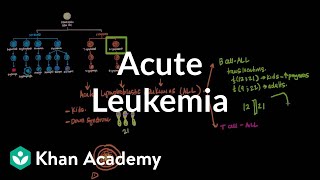
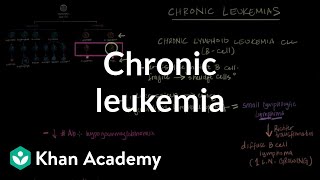
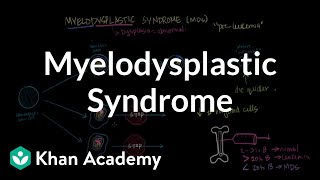
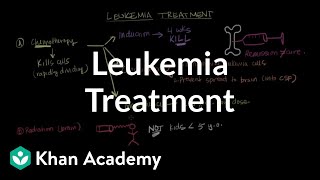
Leukemia
Iron deficiency anemia and anemia of chronic disease


Plasma cell dyscrasias

Unit 7: Endocrine system physiology and disease
Intro to endocrine hormones
 Introduction to the endocrine system ✓ Check-ins9:37
 Endocrine gland hormone review ✓ Check-ins11:39
 The hypothalamus and pituitary gland ✓ Check-ins6:35
 Hormone concentration metabolism and negative feedback ✓ Check-ins4:47
 Types of hormones ✓ Check-ins10:02
 Cellular mechanism of hormone action ✓ Check-ins8:23
 From terpenes to steroids part 1: Terpenes ✓ Check-ins7:49
 From terpenes to steroids part 2: Squalene, cholesterol, and steroids ✓ Check-ins4:29
Biological basis of behavior: Endocrine system
Diabetes
 What is diabetes mellitus? ✓ Check-ins8:28
 Breaking down diabetes ✓ Check-ins6:57
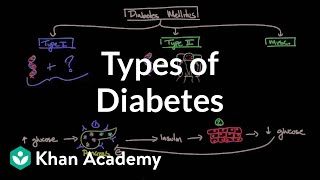 Types of diabetes ✓ Check-ins5:58
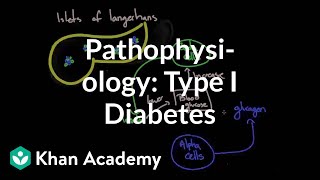 Pathophysiology - Type I diabetes ✓ Check-ins11:06
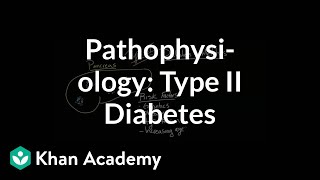 Pathophysiology - Type II diabetes ✓ Check-ins7:44
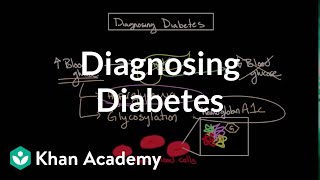 Diagnosing diabetes ✓ Check-ins8:23
 Treating type I diabetes8:49
 Treating type II diabetes - Pharmacology ✓ Check-ins9:17
 Treating type II diabetes - A practical approach ✓ Check-ins2:23
 Acute complications of diabetes - Diabetic ketoacidosis ✓ Check-ins11:26
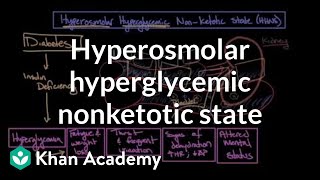 Acute complications of diabetes - Hyperosmolar hyperglycemic nonketotic state ✓ Check-ins10:25
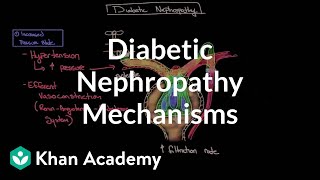 Diabetic nephropathy - Mechanisms ✓ Check-ins9:43
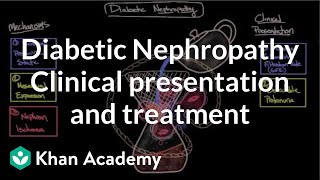 Diabetic nephropathy - Clinical presentation & treatment ✓ Check-ins10:05
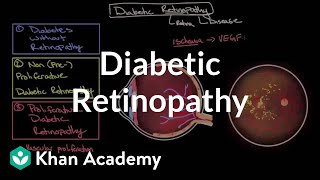 Diabetic retinopathy ✓ Check-ins13:21
Unit 8: Nervous system physiology and disease
Structure and function of the nervous system
- Anatomy of a neuron ✓ Check-ins6:13
- Structure of the nervous system ✓ Check-ins8:48
- Functions of the nervous system ✓ Check-ins6:38
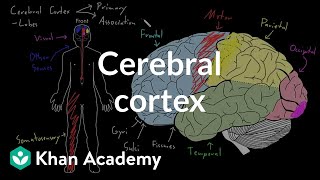 Cerebral cortex ✓ Check-ins8:22
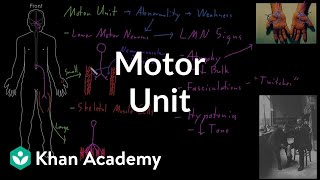 Motor unit ✓ Check-ins9:36
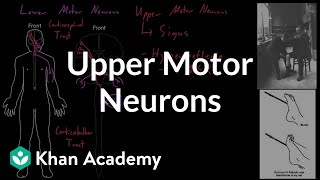 Upper motor neurons ✓ Check-ins13:41
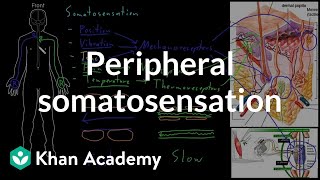 Peripheral somatosensation ✓ Check-ins9:28
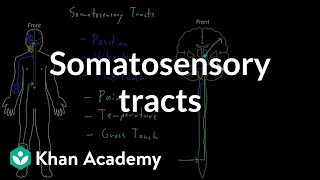 Somatosensory tracts ✓ Check-ins7:07
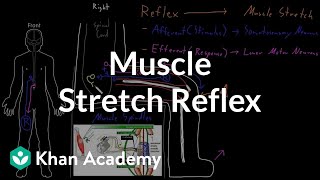 Muscle stretch reflex ✓ Check-ins9:34
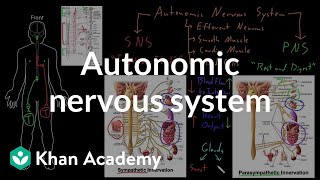 Autonomic nervous system ✓ Check-ins11:24
Neural cell types

Function of neurons and neurotransmitters
 Overview of neuron structure (types of neurons) ✓ Check-ins7:04
- Overview of neuron function ✓ Check-ins7:59
- Synapse structure
 Neurotransmitter release ✓ Check-ins4:20
 Neurotransmitter removal ✓ Check-ins3:47
- Types of neurotransmitters ✓ Check-ins8:46
- Types of neurotransmitter receptors ✓ Check-ins6:36
 Neuroplasticity ✓ Check-ins9:40
Neuron membrane potentials
 Neuron resting potential description ✓ Check-ins7:15
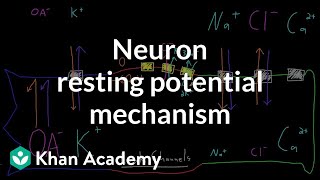 Neuron resting potential mechanism ✓ Check-ins13:16
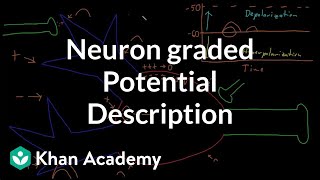 Neuron graded potential description ✓ Check-ins9:48
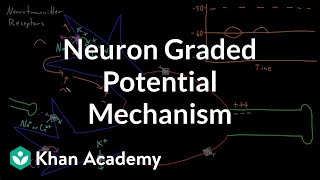 Neuron graded potential mechanism ✓ Check-ins10:11
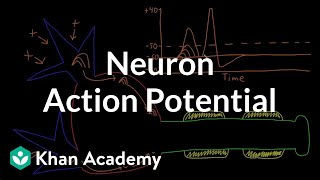 Neuron action potential description ✓ Check-ins6:54
 Neuron action potential mechanism ✓ Check-ins9:23
 Effects of axon diameter and myelination ✓ Check-ins10:46
 Action potential patterns ✓ Check-ins5:05
 Electrotonic and action potentials ✓ Check-ins10:18
 Saltatory conduction in neurons ✓ Check-ins11:08
Sensory perception
 Visual cues8:02
 Sensory adaptation ✓ Check-ins6:41
 Weber's law and thresholds ✓ Check-ins9:01
 Somatosensation ✓ Check-ins7:44
 Signal detection theory - part 1 ✓ Check-ins6:32
 Signal detection theory - part 2 ✓ Check-ins5:03
 Bottom-up vs. top-down processing ✓ Check-ins4:27
 Gestalt principles ✓ Check-ins8:08
Sight (vision)
 The structure of the eye ✓ Check-ins10:28
 Visual sensory information ✓ Check-ins8:02
 The phototransduction cascade ✓ Check-ins9:56
 Photoreceptors (rods vs cones) ✓ Check-ins5:06
 Photoreceptor distribution in the fovea ✓ Check-ins5:43
 Visual field processing ✓ Check-ins4:10
 Feature detection and parallel processing ✓ Check-ins7:09
Sound (Audition)
Somatosensation
Taste (gustation) and smell (olfaction)

Parkinson's disease
 What is Parkinson's disease?8:54
 Movement signs and symptoms of Parkinson's disease ✓ Check-ins10:26
 Non-movement symptoms of Parkinson's disease ✓ Check-ins8:39
 The basal ganglia - The direct pathway ✓ Check-ins10:47
 The basal ganglia - Concepts of the indirect pathway ✓ Check-ins8:43
 The basal ganglia - Details of the indirect pathway ✓ Check-ins8:26
 Putting it all together - Pathophysiology of Parkinson's disease ✓ Check-ins6:01
 Genetics and Parkinson's disease ✓ Check-ins12:03
 Diagnosing Parkinson's disease ✓ Check-ins9:42
 Managing Parkinson's disease with medications ✓ Check-ins9:59
 Managing Parkinson's disease with surgery ✓ Check-ins9:01
Multiple sclerosis
 What is multiple sclerosis? ✓ Check-ins7:10
 Multiple sclerosis signs and symptoms ✓ Check-ins8:52
 Clinical progression of multiple sclerosis ✓ Check-ins7:21
 Multiple sclerosis pathophysiology ✓ Check-ins7:11
 Multiple sclerosis risk factors ✓ Check-ins6:25
 Multiple sclerosis diagnosis ✓ Check-ins7:44
 Multiple sclerosis treatment ✓ Check-ins6:28
Miscellaneous topics
Unit 9: Brain function and mental health
Cognition




Attention and language
 Divided attention, selective attention, inattentional blindness, & change blindness ✓ Check-ins6:42
 Theories of selective attention ✓ Check-ins5:01
 Theories of language and cognition ✓ Check-ins5:07
 Theories of language development: Nativist, learning, interactionist ✓ Check-ins4:01
 Language and the brain: Aphasia and split-brain patients ✓ Check-ins6:11
Sleep and consciousness



Memory
 Information processing model: Sensory, working, and long term memory ✓ Check-ins7:34
 Encoding strategies ✓ Check-ins8:39
 Retrieval cues ✓ Check-ins4:38
 Retrieval: Free recall, cued recall, and recognition ✓ Check-ins4:25
 Memory reconstruction, source monitoring, and emotional memories ✓ Check-ins4:47
 Long term potentiation and synaptic plasticity ✓ Check-ins2:37
 Decay and interference ✓ Check-ins4:33
 Aging and cognitive abilities ✓ Check-ins3:09
 Alzheimer's disease and Korsakoff's syndrome ✓ Check-ins3:50
Emotion


Drug abuse and drug addictions
 Overview of psychoactive drugs ✓ Check-ins7:08
 Psychoactive drugs: Depressants and opiates4:27
 Psychoactive drugs: Stimulants ✓ Check-ins3:19
 Psychoactive drugs: Hallucinogens ✓ Check-ins3:46
 Routes of drug entry ✓ Check-ins3:51
 Drug dependence and homeostasis ✓ Check-ins3:18
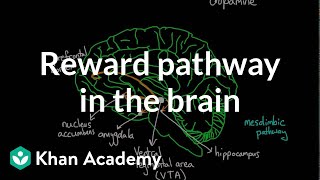 Reward pathway in the brain ✓ Check-ins8:26
 Tolerance and withdrawal ✓ Check-ins5:33
 Risk factors for drug use and drug abuse ✓ Check-ins12:01
 Substance use disorders ✓ Check-ins7:31
 The development of substance use - Why do people use legal and illegal substances? ✓ Check-ins10:29
 Why do some people but not others develop substance use problems? ✓ Check-ins4:23
 Treatments and triggers for drug dependence ✓ Check-ins7:43
 How does substance use develop into substance abuse ✓ Check-ins8:07
 Drug use prevention - school programming and protective factors11:16
Depression and related disorders
 Introduction to psychology - Depression and major depressive disorder ✓ Check-ins11:18
 Diagnosing depression ✓ Check-ins6:11
 Introduction to psychology - Depression and bipolar disorder ✓ Check-ins4:32
 Diagnosing bipolar disorder ✓ Check-ins5:10
 Types of depression and bipolar disorder in the DSM5 ✓ Check-ins8:07
 Biological basis of depression ✓ Check-ins9:02
 Risk factors for bipolar disorder ✓ Check-ins6:57
 Treating depression with antidepressants ✓ Check-ins11:10
 Treatments for depression - Psychological therapies ✓ Check-ins8:12
 Treatments for bipolar disorder ✓ Check-ins6:55
Anxiety and related disorders





Psychotic disorders







Dementia, delirium, and Alzheimer's
 What are dementia and Alzheimer's ✓ Check-ins4:43
 Alzheimer's disease: Plaques and tangles ✓ Check-ins5:03
 Other types of dementia ✓ Check-ins5:19
 Risk factors for dementia ✓ Check-ins6:01
 Stages of dementia and Alzheimer's disease ✓ Check-ins5:31
 Diagnosis of dementia and Alzheimer's disease ✓ Check-ins5:45
 Treatment of dementia and Alzheimer's disease ✓ Check-ins5:44
 What is delirium? ✓ Check-ins5:57
Neurodevelopmental disorders
 Intro to neurodevelopment milestones ✓ Check-ins10:01
 Neurodevelopmental disorders: Sufficient and necessary causes10:49
 What is cerebral palsy and what causes it? ✓ Check-ins11:01
 Types of cerebral palsy part 1 - Spastic ✓ Check-ins7:28
 Types of cerebral palsy part 2 - Dyskinetic and ataxic ✓ Check-ins7:19
 Diagnosing cerebral palsy10:09
 Managing cerebral palsy ✓ Check-ins10:26
 What is autism spectrum disorder? ✓ Check-ins10:04
 What is Tourette's? ✓ Check-ins8:19
 Diagnosing autism spectrum disorder ✓ Check-ins10:26
 Managing autism spectrum disorder ✓ Check-ins5:22
 What is asperger syndrome? ✓ Check-ins10:20
Unit 10: Gastrointestinal system physiology and disease
Components of the GI tract
- Meet the gastrointestinal tract! ✓ Check-ins5:21
- Mouth ✓ Check-ins7:30
 Teeth ✓ Check-ins7:56
- Esophagus ✓ Check-ins5:34
- Stomach ✓ Check-ins5:58
- Small intestine 1: Structure6:30
- Small intestine 2: Digestion ✓ Check-ins6:45
- Small intestine 3: Absorption ✓ Check-ins4:55
- Liver ✓ Check-ins6:28
 Hepatic lobule ✓ Check-ins3:05
- Biliary tree ✓ Check-ins6:00
- Exocrine pancreas ✓ Check-ins9:49
- Endocrine pancreas ✓ Check-ins6:50
- Colon, rectum, and anus ✓ Check-ins9:45
 Control of the GI tract9:56
Gastroenteritis
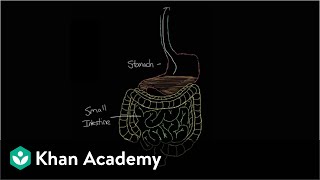 What is gastroenteritis? ✓ Check-ins7:51
 What is staphylococcal enteritis? ✓ Check-ins5:03
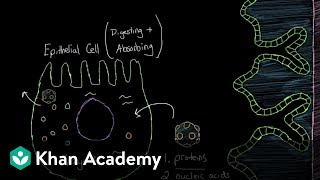 What is viral gastroenteritis?6:27
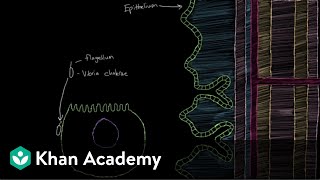 What is cholera? ✓ Check-ins4:25
 What is campylobacteriosis? ✓ Check-ins5:53
 What is shigellosis? ✓ Check-ins4:55
 What is salmonella poisoning? ✓ Check-ins3:41
 What is traveler's diarrhea? ✓ Check-ins2:59
Inflammatory bowel disease






Colon diseases
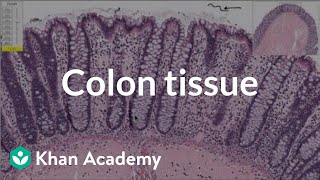


Unit 11: Musculoskeletal system physiology and disease
Muscle contraction
- Myosin and actin ✓ Check-ins9:38
- How tropomyosin and troponin regulate muscle contraction ✓ Check-ins9:22
 Role of the sarcoplasmic reticulum in muscle cells ✓ Check-ins14:42
- Anatomy of a skeletal muscle cell ✓ Check-ins12:42
- Neuromuscular junction, motor end-plate ✓ Check-ins9:00
- Three types of muscle ✓ Check-ins11:29
- Calcium puts myosin to work ✓ Check-ins10:03
- Type 1 and type 2 muscle fibers ✓ Check-ins9:09
- Thermoregulation mechanisms ✓ Check-ins8:23
Muscle innervation
Skeletal system introduction
Arthritis and rheumatoid arthritis
 What is arthritis? ✓ Check-ins9:21
 Osteoarthritis vs rheumatoid arthritis symptoms8:53
 Osteoarthritis vs rheumatoid arthritis pathophysiology ✓ Check-ins9:45
 Osteoarthritis vs rheumatoid arthritis treatments ✓ Check-ins7:36
 Ankylosing spondylitis ✓ Check-ins10:08
 Infectious arthritis ✓ Check-ins5:32
 Gout and pseudogout ✓ Check-ins8:14
 Gout pathophysiology ✓ Check-ins5:54
Unit 12: Reproductive system and pregnancy
Female reproductive system
- Welcome to the reproductive system ✓ Check-ins6:38
- Basics of egg development ✓ Check-ins7:19
- The ovarian cycle ✓ Check-ins10:45
- Reproductive cycle graph - Follicular phase ✓ Check-ins8:39
- Reproductive cycle graph - Luteal phase ✓ Check-ins9:05
- Estrogen ✓ Check-ins7:21
- Breast anatomy and lactation ✓ Check-ins7:27
Male reproductive system
Pregnancy anatomy and physiology
Pregnancy complications
 Preeclampsia ✓ Check-ins13:37
 Placenta previa ✓ Check-ins9:03
 Placental abruption ✓ Check-ins7:35
 Placenta accreta ✓ Check-ins7:48
 UTIs in pregnancy ✓ Check-ins10:12
 Blood conditions in pregnancy ✓ Check-ins7:22
 Sheehan syndrome ✓ Check-ins4:52
 Postpartum hemorrhage6:40
 Uterine inversion ✓ Check-ins6:53
 Diabetes in pregnancy ✓ Check-ins8:14
 Preterm labor ✓ Check-ins12:03
 C-section ✓ Check-ins11:28
Fetal circulation
- Umbilical vessels and the ductus venosus ✓ Check-ins12:33
- Foramen ovale and ductus arteriosus ✓ Check-ins14:13
- Fetal hemoglobin and hematocrit ✓ Check-ins14:32
- Double Bohr effect ✓ Check-ins10:34
- Fetal circulation right before birth ✓ Check-ins11:53
- Baby circulation right after birth ✓ Check-ins13:25
- Fetal structures in an adult ✓ Check-ins8:17
Unit 13: Infectious diseases
Bacteria and viruses
 Overview of Archaea, Protista, and Bacteria ✓ Check-ins7:41
 Bacterial characteristics - Gram staining ✓ Check-ins7:25
 Bacterial meningitis ✓ Check-ins12:17
 Virus structure and classification ✓ Check-ins11:05
 Viral replication: lytic vs lysogenic ✓ Check-ins5:11
 Retroviruses ✓ Check-ins7:28
 Subviral particles: viroids and prions ✓ Check-ins5:01
Tuberculosis
 What is TB? ✓ Check-ins12:27
 TB epidemiology ✓ Check-ins6:07
 TB pathogenesis ✓ Check-ins11:41
 Primary and Secondary TB ✓ Check-ins10:19
 Pulmonary TB ✓ Check-ins12:18
 Extrapulmonary TB (part 1) ✓ Check-ins8:58
 Extrapulmonary TB (Part 2) ✓ Check-ins11:58
 Mantoux test (aka. PPD or TST) ✓ Check-ins8:37
 Interpreting the PPD7:05
 Diagnosing active TB ✓ Check-ins16:04
 Preventing TB transmission ✓ Check-ins11:23
 Preventing TB using the "4 I's" ✓ Check-ins11:32
 Treatment of Active TB ✓ Check-ins12:50
 Drug-resistant TB ✓ Check-ins8:43
 TB and HIV8:57
Pertussis


Influenza
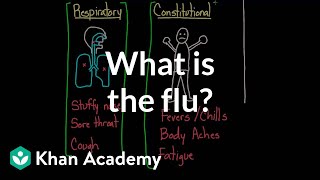 What is the flu? ✓ Check-ins12:47
 Catching and spreading the flu ✓ Check-ins10:53
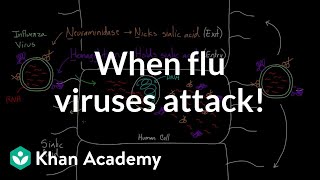 When flu viruses attack! ✓ Check-ins7:13
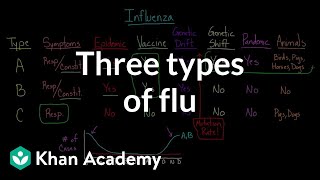 Three types of flu ✓ Check-ins8:16
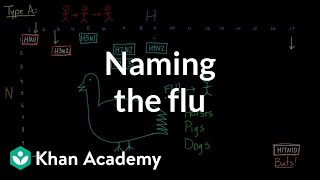 Naming the flu: H-something, N-something ✓ Check-ins9:54
 Testing for the flu ✓ Check-ins8:58
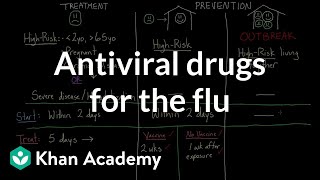 Antiviral drugs for the flu ✓ Check-ins13:49
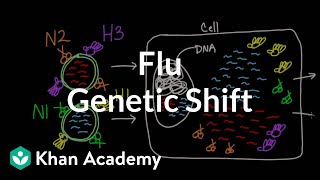 Genetic shift in flu ✓ Check-ins7:42
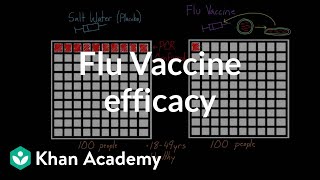 Flu vaccine efficacy ✓ Check-ins9:47
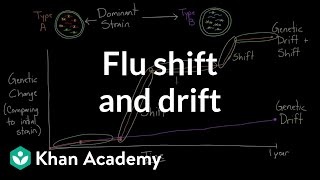 Flu shift and drift ✓ Check-ins7:44
 Two flu vaccines (TIV and LAIV) ✓ Check-ins10:53
 Flu vaccine risks and benefits ✓ Check-ins12:56
 Making flu vaccine each year ✓ Check-ins9:17
 5 common flu vaccine excuses ✓ Check-ins7:59
 Vaccines and the autism myth - part 1 ✓ Check-ins9:51
 Vaccines and the autism myth - part 2 ✓ Check-ins9:01
 Flu surveillance ✓ Check-ins14:22
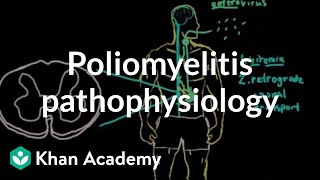
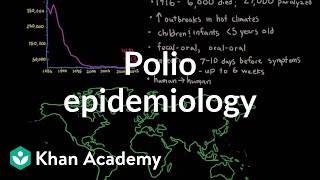
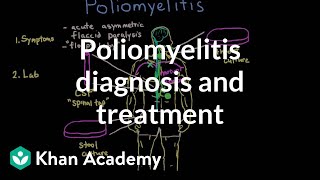
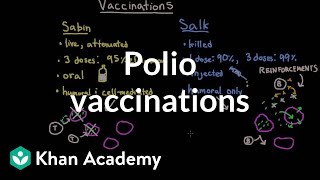
Polio
Sexually transmitted diseases
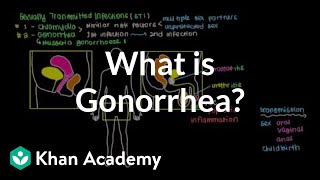 What is gonorrhea? ✓ Check-ins7:50
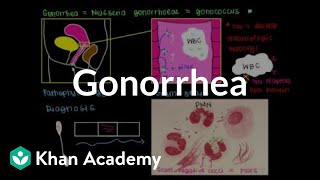 Pathophysiology, diagnosis, treatment, and prevention of gonorrhea ✓ Check-ins9:02
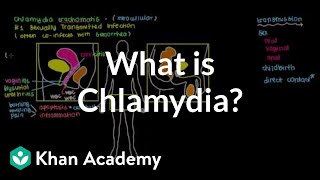 What is chlamydia? ✓ Check-ins13:21
 Pathophysiology of chlamydia ✓ Check-ins5:59
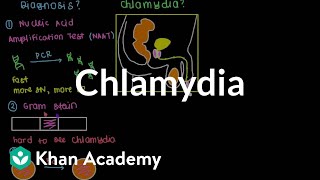 Diagnosis, treatment, and prevention of chlamydia ✓ Check-ins6:09
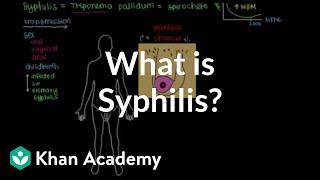 What is syphilis? ✓ Check-ins9:12
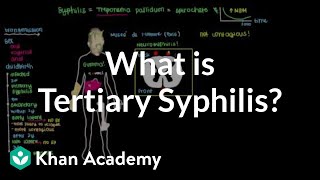 What is tertiary syphilis? ✓ Check-ins8:59
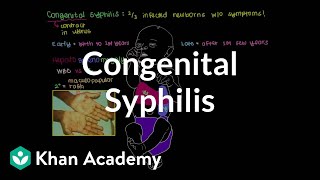 What is congenital syphilis? ✓ Check-ins6:19
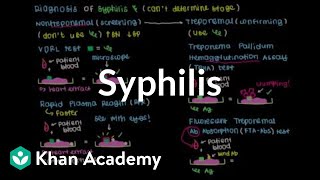 Diagnosis, treatment, and prevention of syphilis ✓ Check-ins9:43
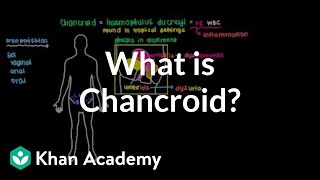 What is chancroid? ✓ Check-ins7:46
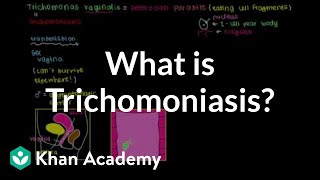 What is trichomoniasis? ✓ Check-ins7:59
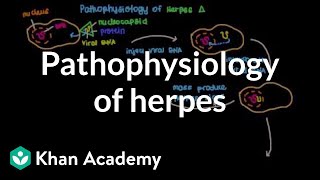 Pathophysiology of herpes ✓ Check-ins7:23
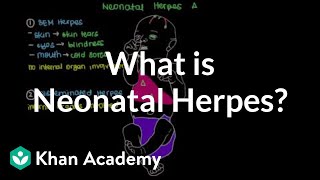 What is neonatal herpes? ✓ Check-ins5:44
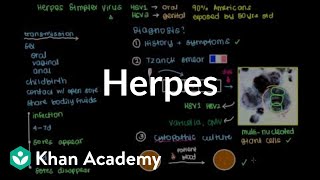 Diagnosis, treatment, and prevention of herpes ✓ Check-ins6:02
 What are warts?10:53
 What is bacterial vaginosis? ✓ Check-ins4:54
HIV and AIDS
 What is HIV and AIDS? ✓ Check-ins11:32
 Transmission of HIV ✓ Check-ins10:37
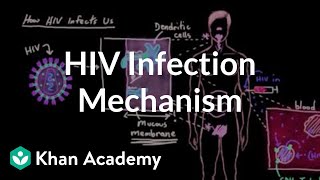 How HIV infects us: Mucous membranes, dendritic cells, and lymph nodes ✓ Check-ins6:37
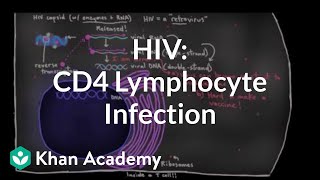 How HIV infects us: CD4 (T-helper) lymphocyte infection ✓ Check-ins10:21
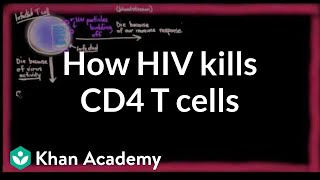 How HIV kills so many CD4 T cells ✓ Check-ins10:40
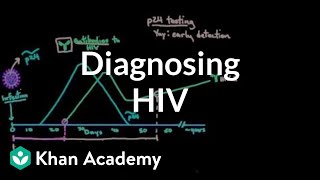 Diagnosing HIV - Concepts and tests ✓ Check-ins9:55
 Treating HIV: Antiretroviral drugs ✓ Check-ins10:31
 HAART treatment for HIV - Who, what, why, when, and how ✓ Check-ins8:37
 Defining AIDS and AIDS defining illnesses ✓ Check-ins7:33
 Immune reconstitution inflammatory syndrome (IRIS) in AIDS ✓ Check-ins7:31
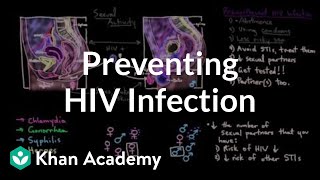 Preventing an HIV infection ✓ Check-ins8:33
Malaria






Unit 14: Other topics in health and medicine
Health care system




Lab values and concentrations
 Introduction to lab values and normal ranges ✓ Check-ins10:42
 What's inside of blood? ✓ Check-ins11:09
 Units for common medical lab values ✓ Check-ins11:25
 What is an equivalent? ✓ Check-ins10:18
 The mole and Avogadro's number ✓ Check-ins8:57
 Molarity vs. molality ✓ Check-ins8:03
 Molarity vs. osmolarity ✓ Check-ins11:32
 Calculate your own osmolarity ✓ Check-ins12:59
 Molarity, molality, osmolarity, osmolality, and tonicity - what's the difference? ✓ Check-ins4:04
 Tonicity - comparing 2 solutions ✓ Check-ins11:03
Child growth and development


Cancer

Inflammation and exposures

Learn this with a class
With a class on Puzzicle this course runs as a timetable of live study parties: your batch watches together and answers the check-ins, sometimes with a teacher leading.
Course content © Khan Academy, used under CC BY-NC-SA. See this course on Khan Academy.