Organic chemistry
Sal and Jay cover topics covered in college organic chemistry course. Basic understanding of basic high school or college chemistry assumed (although there is some review).
14 units310 videos49 hours
Learn it live with a class on Puzzicle · Teachers: use it with your class
Unit 1: Structure and bonding
Dot structures
Hybridization
 sp³ hybridized orbitals and sigma bonds ✓ Check-ins16:23
 sp² hybridized orbitals and pi bonds ✓ Check-ins14:13
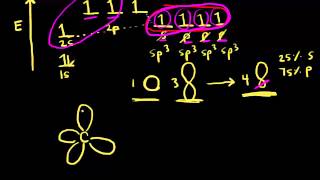 sp³ hybridization ✓ Check-ins10:43
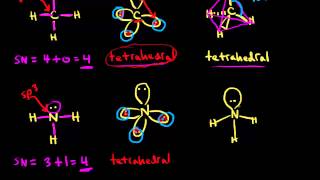 Steric number ✓ Check-ins9:47
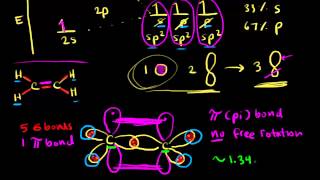 sp² hybridization ✓ Check-ins12:42
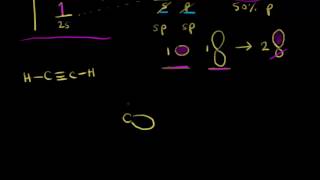 sp hybridization ✓ Check-ins11:00
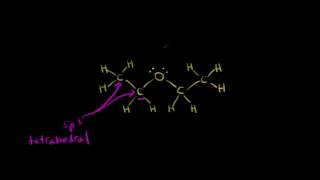 Worked examples: Finding the hybridization of atoms in organic molecules ✓ Check-ins10:21
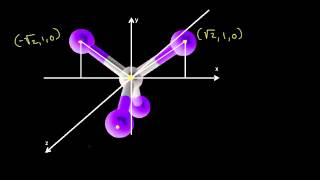 Tetrahedral bond angle proof ✓ Check-ins5:06
Bond-line structures
Unit 2: Resonance and acid-base chemistry
Counting electrons
Resonance structures
Organic acid-base chemistry
 Acid-base definitions ✓ Check-ins8:31
 Organic acid-base mechanisms ✓ Check-ins5:32
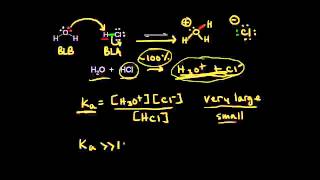 Ka and acid strength ✓ Check-ins9:18
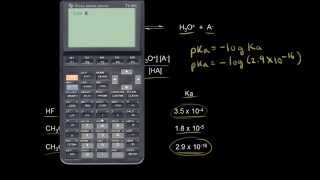 Ka and pKa review ✓ Check-ins2:40
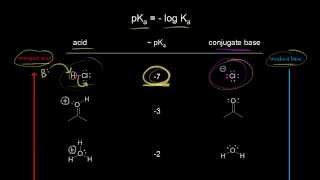 Using a pKa table ✓ Check-ins9:04
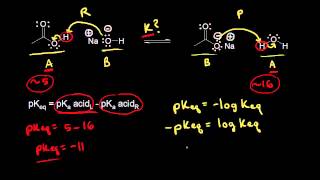 Using pKa values to predict the position of equilibrium ✓ Check-ins7:54
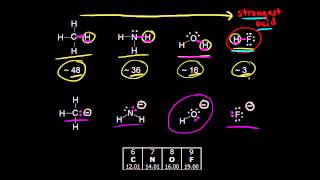 Stabilization of a conjugate base: electronegativity ✓ Check-ins4:12
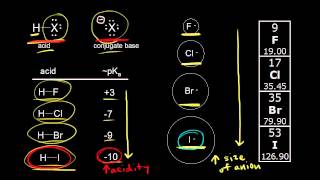 Acid strength, anion size, and bond energy ✓ Check-ins5:47
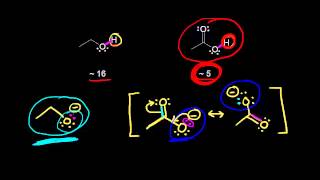 Stabilization of a conjugate base: resonance ✓ Check-ins7:09
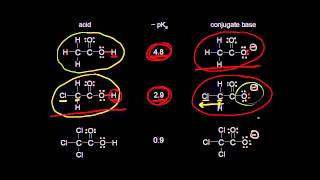 Stabilization of a conjugate base: induction ✓ Check-ins4:58
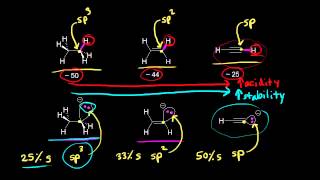 Stabilization of a conjugate base: hybridization ✓ Check-ins6:09
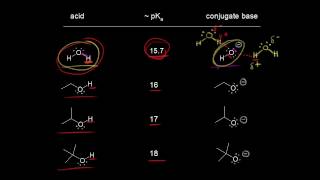 Stabilization of a conjugate base: solvation ✓ Check-ins4:29
Unit 3: Alkanes, cycloalkanes, and functional groups
Naming alkanes
 Representing structures of organic molecules ✓ Check-ins7:29
 Naming simple alkanes ✓ Check-ins9:28
 Naming alkanes with alkyl groups ✓ Check-ins11:04
 Correction - 2-propylheptane should never be the name! ✓ Check-ins2:56
 Common and systematic naming: iso-, sec-, and tert- prefixes ✓ Check-ins13:32
 Naming alkanes with ethyl groups ✓ Check-ins2:57
 Alkane with isopropyl group ✓ Check-ins8:19
 Organic chemistry naming examples 2 ✓ Check-ins10:26
 Organic chemistry naming examples 3 ✓ Check-ins8:11
 Naming a cycloalkane ✓ Check-ins7:43
 Naming two isobutyl groups systematically ✓ Check-ins2:53
 Organic chemistry naming examples 4 ✓ Check-ins10:04
Naming alkanes, cycloalkanes, and bicyclic compounds
Conformations of alkanes
 Newman projections ✓ Check-ins14:22
 Newman projections 2 ✓ Check-ins11:12
 Conformations of ethane ✓ Check-ins10:03
 Conformational analysis of ethane ✓ Check-ins6:24
 Conformational analysis of propane ✓ Check-ins7:31
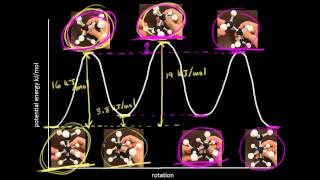 Conformational analysis of butane ✓ Check-ins10:14
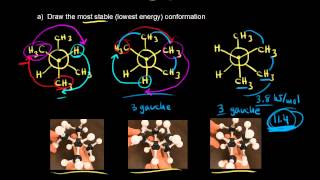 Newman projection practice 1 ✓ Check-ins13:37
 Newman projection practice 2 ✓ Check-ins10:32
Conformations of cycloalkanes
 Chair and boat shapes for cyclohexane ✓ Check-ins12:29
 Double Newman diagram for methylcyclohexane ✓ Check-ins14:38
 Stability of cycloalkanes8:09
 Conformations of cyclohexane ✓ Check-ins9:20
 Drawing chair conformations ✓ Check-ins11:27
 Monosubstituted cyclohexane ✓ Check-ins8:28
 Disubstituted cyclohexane ✓ Check-ins11:18
 Polysubstituted cyclohexane ✓ Check-ins8:49
Unit 4: Stereochemistry
Chirality

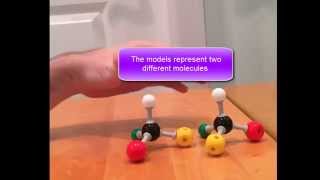
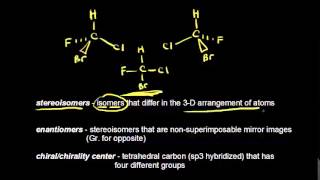
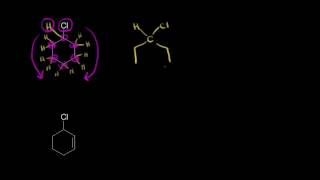
Enantiomers
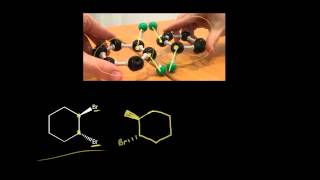 Drawing enantiomers ✓ Check-ins9:30
 Cahn-Ingold-Prelog system for naming enantiomers ✓ Check-ins11:02
 R,S system ✓ Check-ins9:47
 R,S (Cahn-Ingold-Prelog) naming system example 2 ✓ Check-ins11:08
 R,S system practice ✓ Check-ins8:44
 More R,S practice ✓ Check-ins8:21
 Fischer projection introduction ✓ Check-ins9:27
 Fischer projection practice ✓ Check-ins8:55
 Optical activity ✓ Check-ins9:02
 Optical activity calculations ✓ Check-ins8:03
Unit 5: Substitution and elimination reactions
Free radical reaction

Nucleophilicity and basicity
Elimination reactions
Sn1/Sn2/E1/E2
Sn1 and Sn2
 Identifying nucleophilic and electrophilic centers ✓ Check-ins6:49
 Curly arrow conventions in organic chemistry ✓ Check-ins6:59
 Intro to organic mechanisms ✓ Check-ins12:10
 Alkyl halide nomenclature and classification ✓ Check-ins10:41
 Sn1 mechanism: kinetics and substrate ✓ Check-ins9:24
 Sn1 mechanism: stereochemistry ✓ Check-ins6:07
 Carbocation stability and rearrangement introduction9:56
 Carbocation rearrangement practice ✓ Check-ins8:53
 Sn1 mechanism: carbocation rearrangement ✓ Check-ins8:25
 Sn1 carbocation rearrangement (advanced) ✓ Check-ins7:24
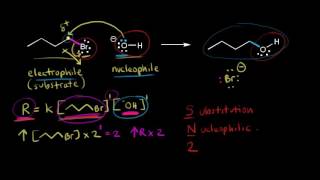 Sn2 mechanism: kinetics and substrate ✓ Check-ins7:21
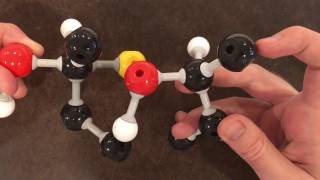 Sn2 mechanism: stereospecificity ✓ Check-ins10:22
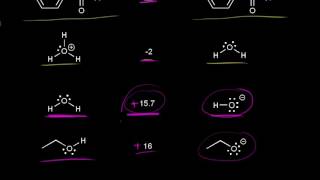 Sn1 and Sn2: leaving group ✓ Check-ins6:53
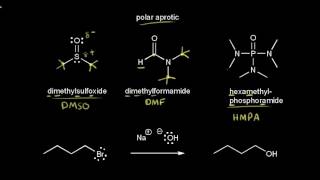 Sn1 vs Sn2: Solvent effects ✓ Check-ins7:40
 Sn1 vs Sn2: Summary ✓ Check-ins13:54
E1 and E2 reactions
 E1 mechanism: kinetics and substrate ✓ Check-ins12:39
 E1 elimination: regioselectivity ✓ Check-ins6:50
 E1 mechanism: stereoselectivity ✓ Check-ins9:31
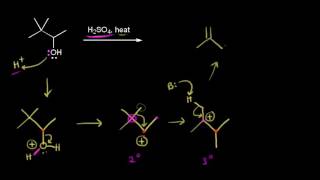 E1 mechanism: carbocations and rearrangements ✓ Check-ins10:29
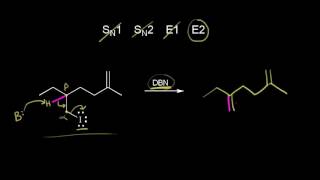
 E2 mechanism: kinetics and substrate ✓ Check-ins9:19
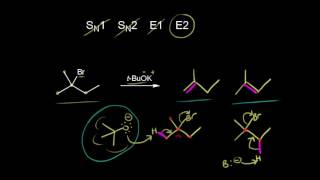
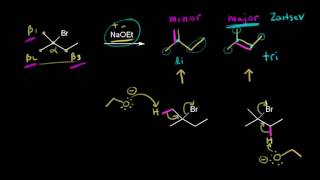 E2 mechanism: regioselectivity ✓ Check-ins6:16
 E2 elimination: Stereoselectivity ✓ Check-ins10:50
 E2 elimination: Stereospecificity ✓ Check-ins11:50
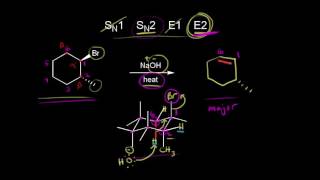
 E2 elimination: Substituted cyclohexanes ✓ Check-ins12:40
 Regioselectivity, stereoselectivity, and stereospecificity ✓ Check-ins5:49
Unit 6: Alkenes and alkynes
Naming alkenes
Alkene reactions
Alkene nomenclature
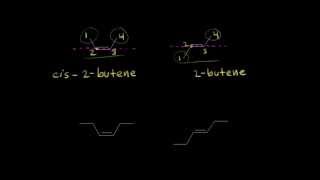
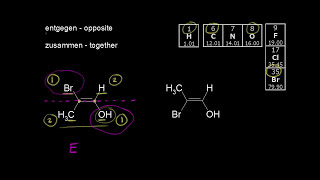
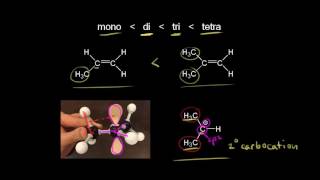
Alkene reactions
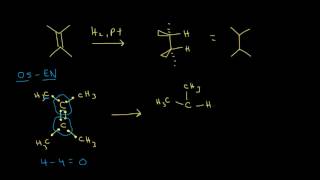 Hydrogenation ✓ Check-ins11:42
 Hydrohalogenation ✓ Check-ins12:03
 Hydration ✓ Check-ins14:21
 Hydroboration-oxidation ✓ Check-ins9:34
 Hydroboration-oxidation: Mechanism ✓ Check-ins11:19
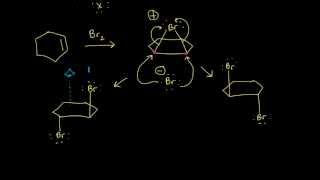 Alkene halogenation ✓ Check-ins8:13
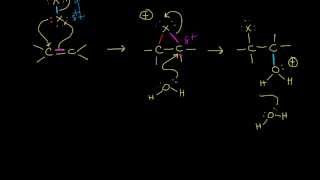 Halohydrin formation ✓ Check-ins12:45
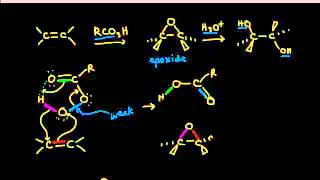 Epoxide formation and anti dihydroxylation ✓ Check-ins12:20
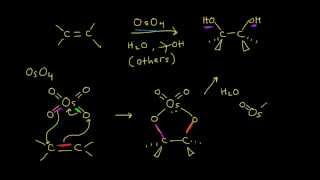 Syn dihydroxylation ✓ Check-ins13:32
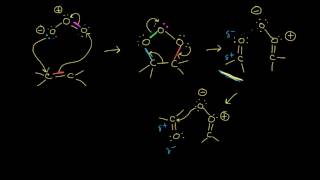 Ozonolysis ✓ Check-ins13:42
Naming and preparing alkynes
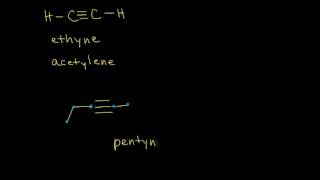
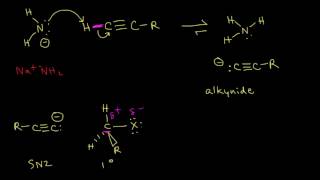
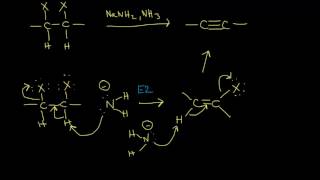
Alkyne reactions
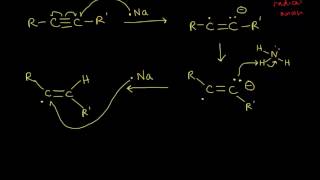
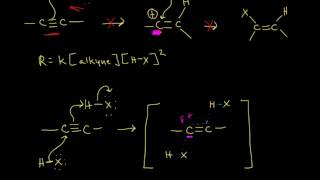
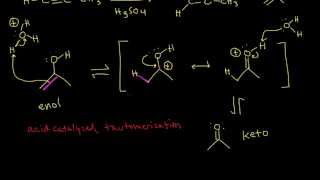
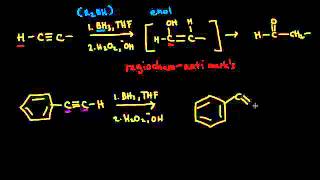
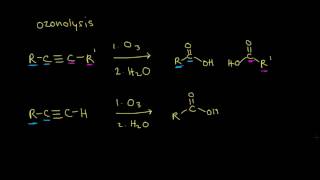
Synthesis using alkynes
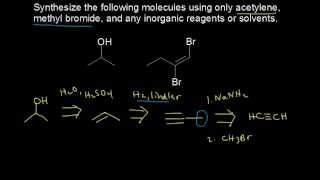
Unit 7: Alcohols, ethers, epoxides, sulfides
Alcohol nomenclature and properties
Synthesis of alcohols
Reactions of alcohols
 Oxidation of alcohols I: Mechanism and oxidation states ✓ Check-ins12:38
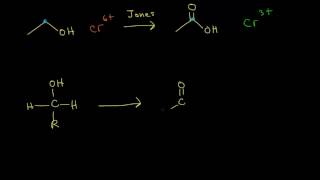 Oxidation of alcohols II: Examples ✓ Check-ins7:02
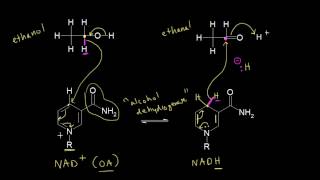 Biological redox reactions ✓ Check-ins9:46
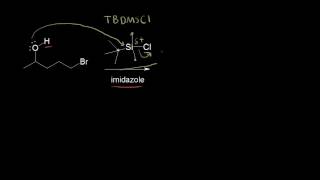 Protection of alcohols ✓ Check-ins7:54
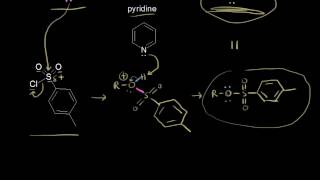 Preparation of mesylates and tosylates ✓ Check-ins8:41
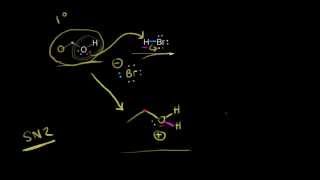 SN1 and SN2 reactions of alcohols ✓ Check-ins10:23
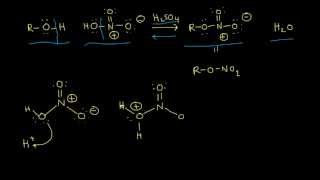 Formation of nitrate esters ✓ Check-ins6:07
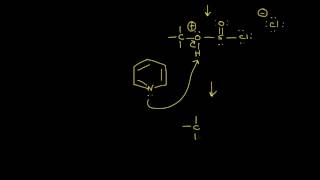 Preparation of alkyl halides from alcohols ✓ Check-ins8:54
Nomenclature and properties of ethers

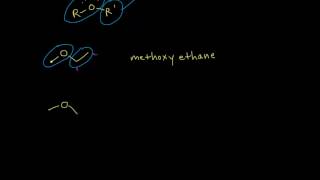
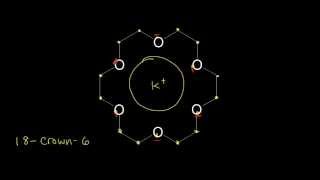
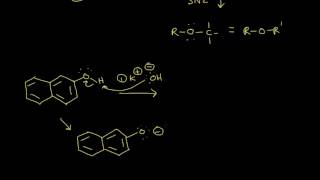
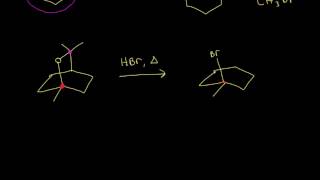
Synthesis and cleavage of ethers
Nomenclature and preparation of epoxides
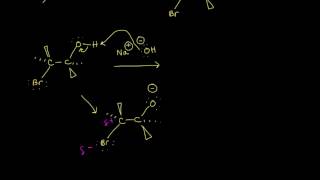
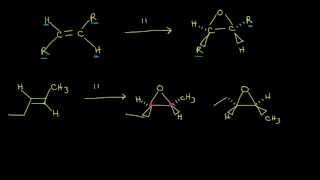
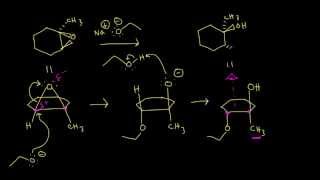
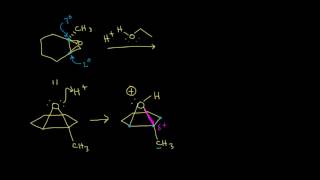
Ring-opening reactions of epoxides
Thiols and sulfides
Unit 8: Conjugated systems and pericyclic reactions
Unit 9: Aromatic compounds
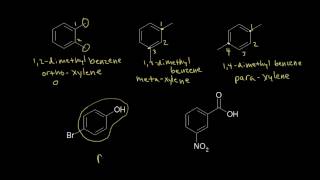
Naming benzene derivatives
Reactions of benzene
Aromatic stability
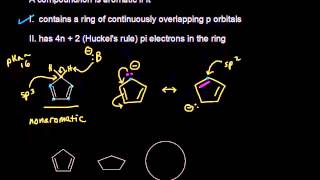
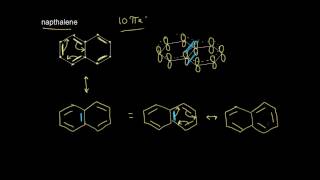
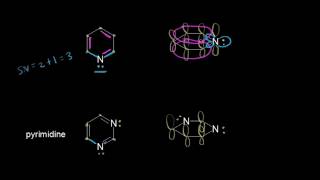
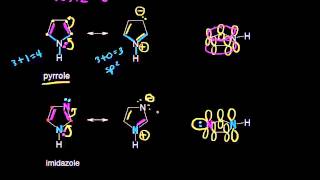
Electrophilic aromatic substitution
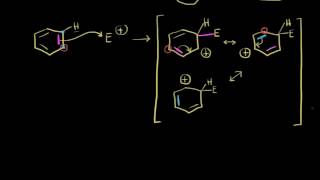
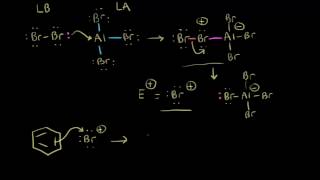
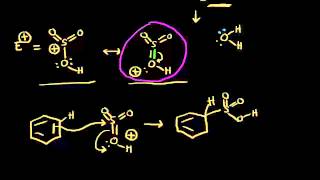
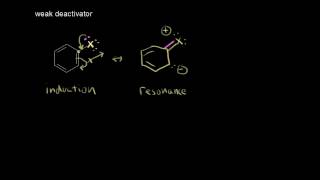
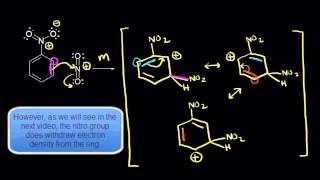
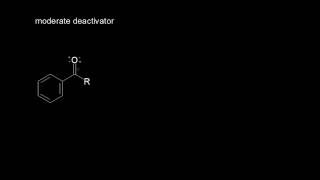
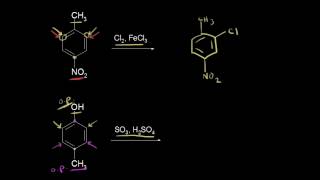
Directing effects
Other reactions and synthesis
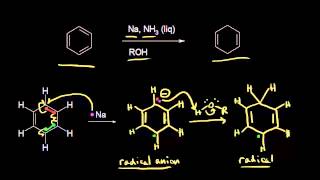
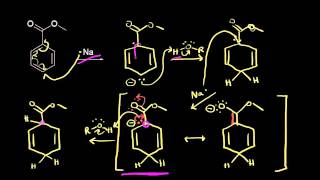
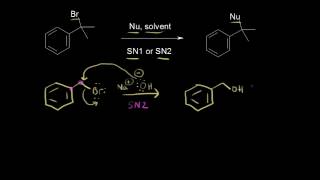
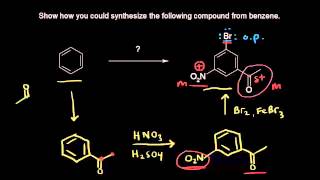
Nucleophilic aromatic substitution
Unit 10: Aldehydes and ketones
Introduction to aldehydes and ketones
Reactions of aldehydes and ketones
 Formation of hydrates ✓ Check-ins7:27
 Formation of hemiacetals and hemiketals ✓ Check-ins10:44
 Acid and base catalyzed formation of hydrates and hemiacetals ✓ Check-ins10:26
 Formation of acetals ✓ Check-ins14:15
 Acetals as protecting groups and thioacetals ✓ Check-ins8:25
 Formation of imines and enamines13:33
 Formation of oximes and hydrazones ✓ Check-ins9:40
 Addition of carbon nucleophiles to aldehydes and ketones ✓ Check-ins9:33
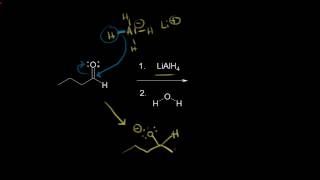 Formation of alcohols using hydride reducing agents ✓ Check-ins11:35
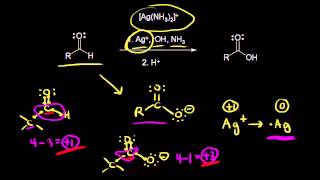 Oxidation of aldehydes using Tollens' reagent ✓ Check-ins9:21
Unit 11: Carboxylic acids and derivatives
Naming carboxylic acids
Formation of carboxylic acid derivatives
Nomenclature and reactions of carboxylic acids
 Carboxylic acid nomenclature and properties ✓ Check-ins8:52
 Reduction of carboxylic acids ✓ Check-ins8:54
 Preparation of acyl (acid) chlorides ✓ Check-ins10:23
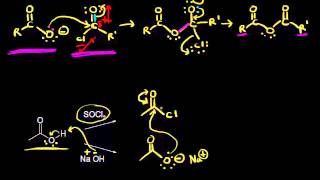 Preparation of acid anhydrides ✓ Check-ins7:09
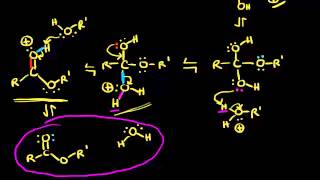 Preparation of esters via Fischer esterification ✓ Check-ins9:37
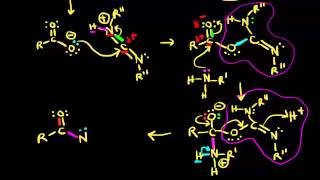 Preparation of amides using DCC11:54
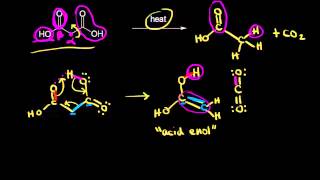 Decarboxylation ✓ Check-ins6:47
Nomenclature and reactions of carboxylic acid derivatives
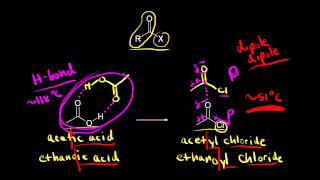 Nomenclature and properties of acyl (acid) halides and acid anhydrides ✓ Check-ins10:20
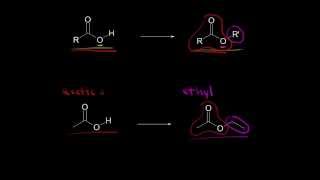 Nomenclature and properties of esters ✓ Check-ins10:31
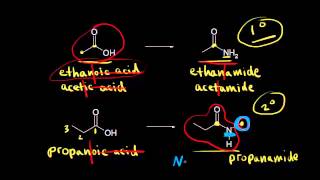 Nomenclature and properties of amides ✓ Check-ins8:50
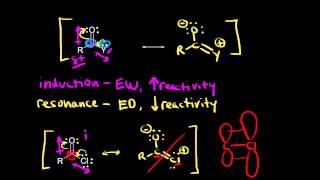 Reactivity of carboxylic acid derivatives ✓ Check-ins9:03
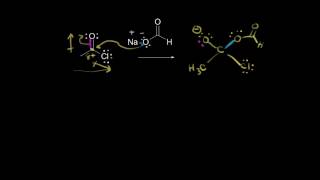 Nucleophilic acyl substitution ✓ Check-ins9:29
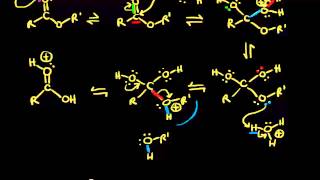 Acid-catalyzed ester hydrolysis ✓ Check-ins11:26
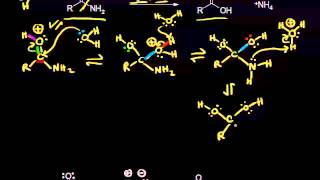 Acid and base-catalyzed hydrolysis of amides ✓ Check-ins11:47
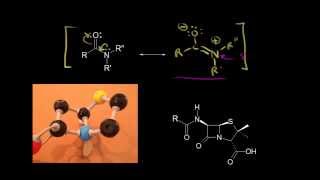 Beta-lactam antibiotics ✓ Check-ins9:14
Unit 12: Alpha carbon chemistry
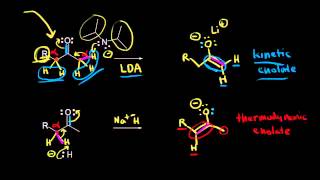
Formation of enolate anions
Unit 13: Amines
Unit 14: Spectroscopy
Infrared spectroscopy
 Introduction to infrared spectroscopy ✓ Check-ins9:25
 Bonds as springs ✓ Check-ins12:20
 Signal characteristics - wavenumber ✓ Check-ins15:25
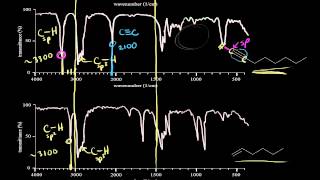 IR spectra for hydrocarbons ✓ Check-ins13:02
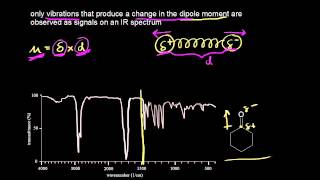 Signal characteristics - intensity ✓ Check-ins5:35
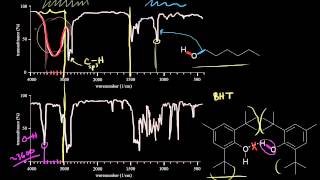 Signal characteristics - shape ✓ Check-ins9:17
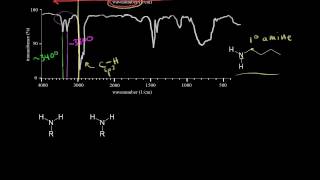 Symmetric and asymmetric stretching ✓ Check-ins11:02
 IR signals for carbonyl compounds ✓ Check-ins12:52
 IR spectra practice ✓ Check-ins5:54
UV/Vis Spectroscopy
Proton NMR
 Introduction to proton NMR ✓ Check-ins10:27
 Nuclear shielding ✓ Check-ins10:22
 Chemical equivalence ✓ Check-ins10:44
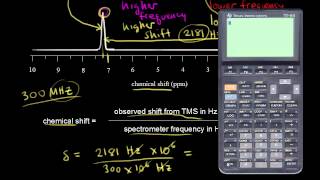 Chemical shift ✓ Check-ins5:51
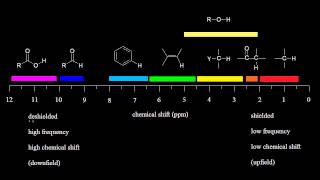 Electronegativity and chemical shift ✓ Check-ins11:02
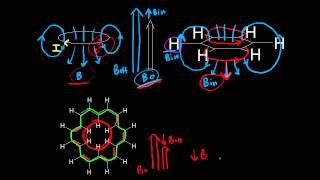 Diamagnetic anisotropy ✓ Check-ins9:18
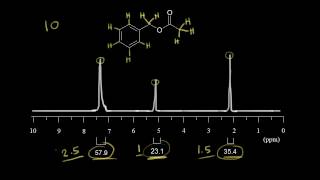 Integration ✓ Check-ins4:30
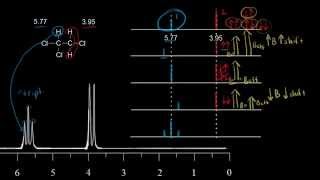 Spin-spin splitting (coupling) ✓ Check-ins12:22
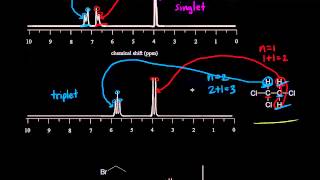 Multiplicity: n + 1 rule ✓ Check-ins9:45
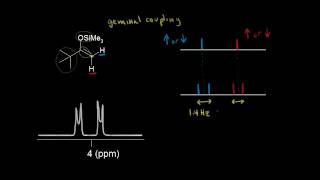 Coupling constant ✓ Check-ins6:10
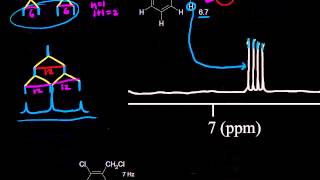 Complex splitting ✓ Check-ins7:55
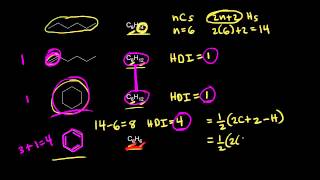 Hydrogen deficiency index ✓ Check-ins8:51
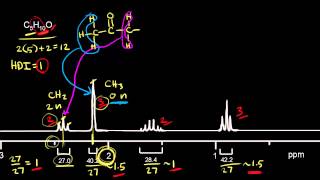 Proton NMR practice 1 ✓ Check-ins11:36
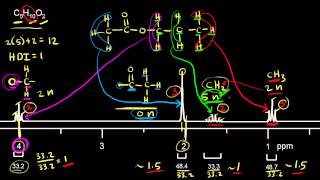 Proton NMR practice 2 ✓ Check-ins13:31
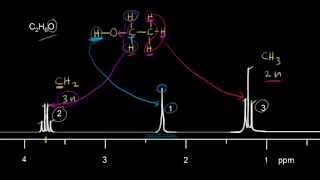 Proton NMR practice 3 ✓ Check-ins7:23
Learn this with a class
With a class on Puzzicle this course runs as a timetable of live study parties: your batch watches together and answers the check-ins, sometimes with a teacher leading.
Course content © Khan Academy, used under CC BY-NC-SA. See this course on Khan Academy.