Europe 1300 - 1800
Brought to you by Smarthistory. 1300-1600: In part, the Renaissance was a rebirth of interest in ancient Greek and Roman culture. It was also a period of economic prosperity in Europe—particularly in Italy and in Northern Europe. In 1517 a German theologian and monk, Martin Luther, challenged the authority of the Pope and sparked the Protestant Reformation. By challenging the power of the Church, and asserting the authority of individual conscience, the Reformation laid the foundation for the value that modern culture places on the individual.
Learn it live with a class on Puzzicle · Teachers: use it with your class
Unit 1: Italy and Spain, 14th century
A beginner's guide to the Late Gothic
Florence, the Late Gothic
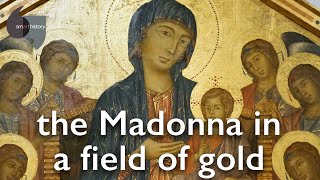 Cimabue, Santa Trinita Madonna ✓ Check-ins4:22
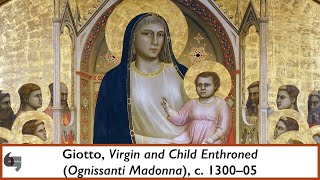 Giotto, The Ognissanti Madonna ✓ Check-ins4:29
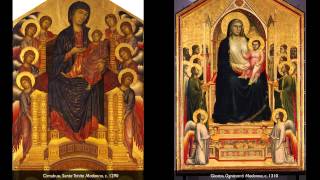 Cimabue, Santa Trinita Madonna & Giotto's Ognissanti Madonna ✓ Check-ins6:59
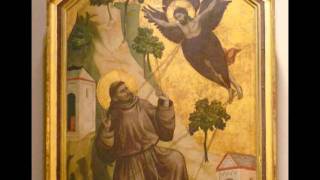 Giotto, St. Francis Receiving the Stigmata ✓ Check-ins4:35
 The Arena Chapel (and Giotto's frescos) in virtual reality ✓ Check-ins ✎ Fixed a slip25:10
 Giotto, Arena (Scrovegni) Chapel (part 1) ✓ Check-ins4:29
 Giotto, Arena (Scrovegni) Chapel (part 2) ✓ Check-ins9:48
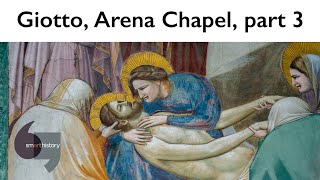 Giotto, Arena (Scrovegni) Chapel (part 3) ✓ Check-ins4:54
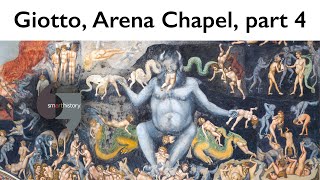 Giotto, Arena (Scrovegni) Chapel (part 4) ✓ Check-ins5:34
 Giotto, The Entombment of Mary ✓ Check-ins3:56
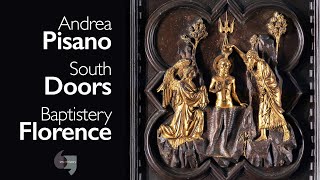 Andrea Pisano, South doors, Baptistery of Saint John, Florence ✓ Check-ins7:58
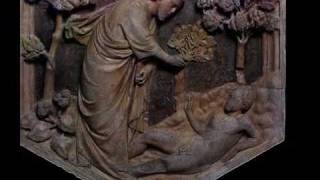 Andrea Pisano's reliefs on the Campanile in Florence ✓ Check-ins5:59
Siena, the Late Gothic
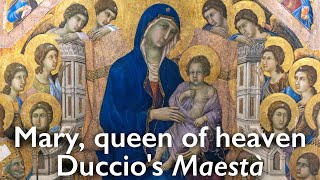 Duccio, Maestà ✓ Check-ins9:36
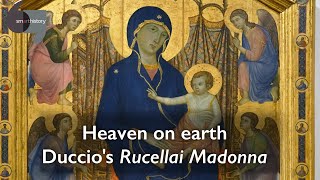 Duccio, The Rucellai Madonna ✓ Check-ins9:10
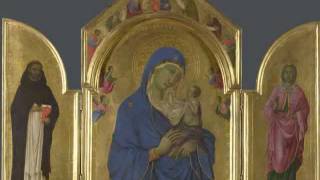 Duccio, The Virgin and Child with Saints Dominic and Aurea ✓ Check-ins3:43
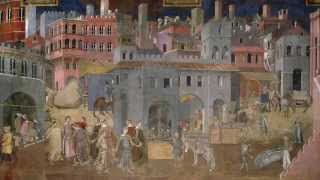 Ambrogio Lorenzetti, Palazzo Pubblico frescos: Allegory and effect of good and bad government ✓ Check-ins10:18
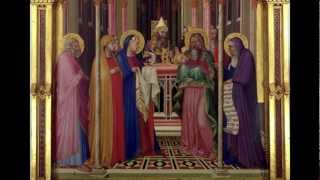 Lorenzetti, Presentation of Jesus in the Temple ✓ Check-ins2:27
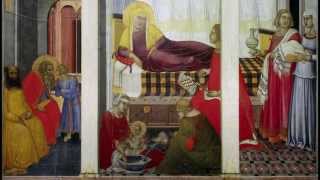 Pietro Lorenzetti, Birth of the Virgin ✓ Check-ins4:10
 Simone Martini, Maesta ✓ Check-ins4:12
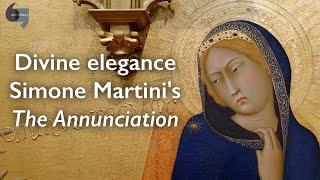 Simone Martini, Annunciation ✓ Check-ins6:04
Pisa and Rome, the Late Gothic
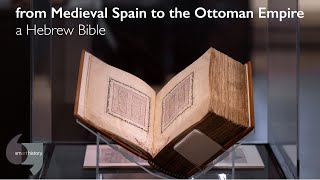
Unit 2: Italy, 15th century
A beginner's guide
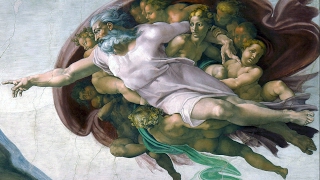 How to recognize Italian Renaissance art ✓ Check-ins10:10
 Tiny timelines: global Europe ✓ Check-ins0:59
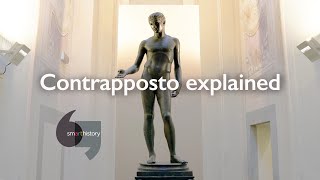 Contrapposto explained ✓ Check-ins4:23
 Linear Perspective: Brunelleschi's Experiment ✓ Check-ins4:16
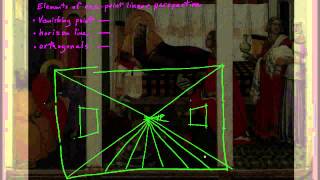 How one-point linear perspective works ✓ Check-ins11:56
 Renaissance Watercolours: materials and techniques ✓ Check-ins5:10
Sculpture and architecture in central Italy
 Brunelleschi & Ghiberti, the Sacrifice of Isaac ✓ Check-ins5:19
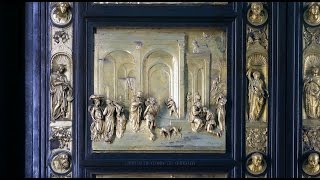 Ghiberti, "Gates of Paradise," east doors of the Florence Baptistery ✓ Check-ins8:32
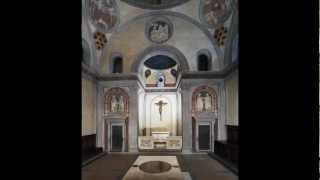 Brunelleschi, Old Sacristy ✓ Check-ins4:02
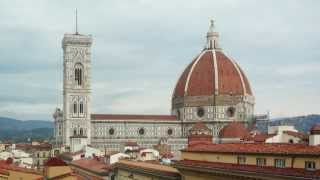 Brunelleschi, Dome of the Cathedral of Florence. ✓ Check-ins5:52
 Brunelleschi, Pazzi Chapel6:25
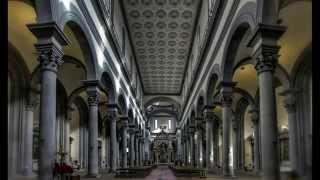 Brunelleschi, Santo Spirito ✓ Check-ins3:55
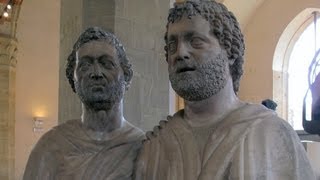 Nanni di Banco, Four Crowned Saints ✓ Check-ins3:22
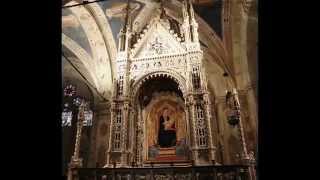 Orsanmichele and Donatello's Saint Mark ✓ Check-ins4:53
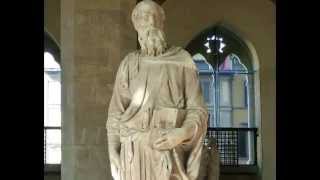 Donatello, Saint Mark ✓ Check-ins5:35
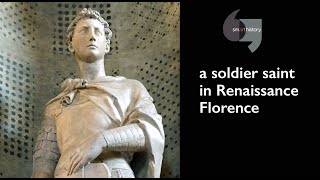 A soldier saint in Renaissance Florence: Donatello's St George ✓ Check-ins7:34
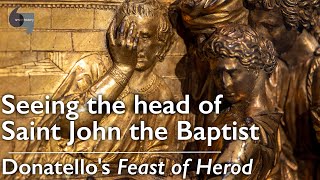 Donatello, Feast of Herod ✓ Check-ins5:11
 Donatello, Madonna of the Clouds ✓ Check-ins4:34
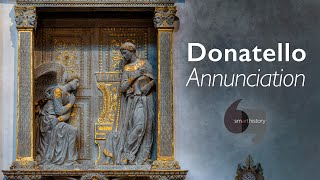 Donatello, Annunciation ✓ Check-ins5:01
 Donatello, David ✓ Check-ins8:03
 Donatello, The Miracle of the Mule ✓ Check-ins4:55
 Donatello, Equestrian Monument of Gattamelata ✓ Check-ins5:41
 Donatello, Mary Magdalene ✓ Check-ins5:16
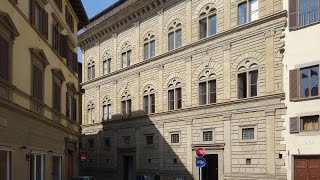 Alberti, Palazzo Rucellai ✓ Check-ins5:10
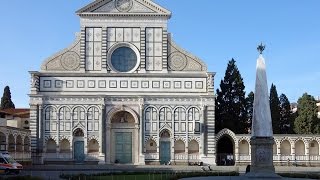 Alberti, Façade of Santa Maria Novella, Florence ✓ Check-ins5:31
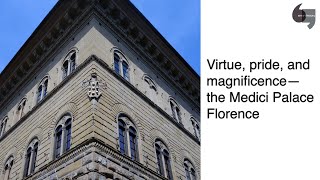 Michelozzo, Palazzo Medici ✓ Check-ins4:30
Painting in central Italy
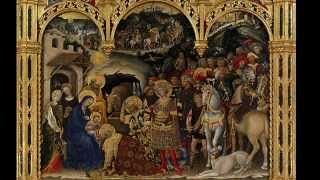 Gentile da Fabriano, Adoration of the Magi ✓ Check-ins6:10
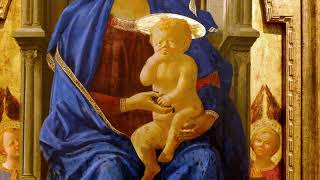 Masaccio, Virgin and Child Enthroned ✓ Check-ins ✎ Fixed a slip6:56
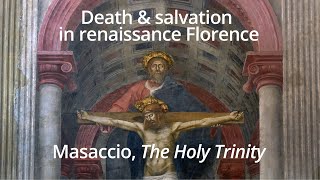 Masaccio, The Holy Trinity ✓ Check-ins8:13
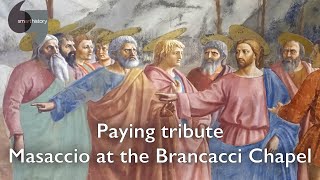 Masaccio, The Tribute Money in the Brancacci Chapel ✓ Check-ins8:57
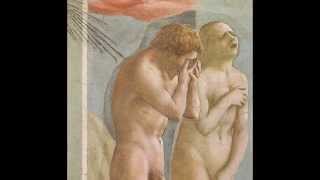 Masaccio, Expulsion of Adam and Eve from Eden ✓ Check-ins5:00
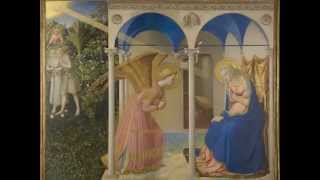 Fra Angelico, The Annunciation (Prado) ✓ Check-ins3:40
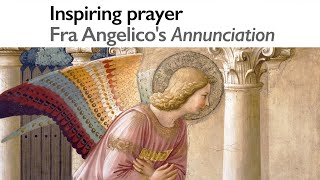 Fra Angelico, The Annunciation ✓ Check-ins6:07
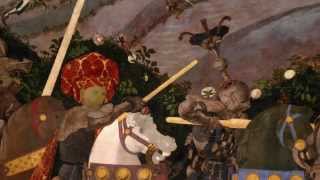 Uccello, The Battle of San Romano ✓ Check-ins3:33
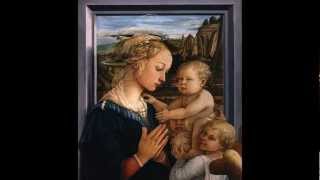 Fra Filippo Lippi, Madonna and Child with two Angels ✓ Check-ins3:57
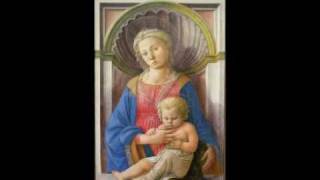 Fra Filippo Lippi, Madonna and Child ✓ Check-ins3:14
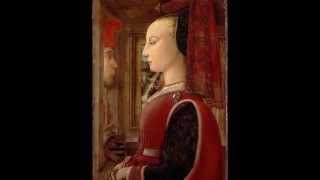 Lippi, Portrait of a Man and Woman at a Casement ✓ Check-ins5:58
 Beyond the Madonna, an early image of enslaved people in Renaissance Florence ✓ Check-ins6:39
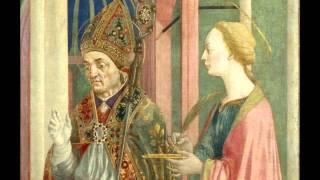 Veneziano, St. Lucy Altarpiece ✓ Check-ins3:20
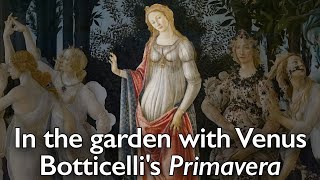 Botticelli, Primavera ✓ Check-ins4:16
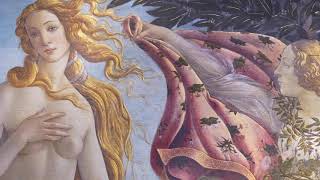 A celebration of beauty and love: Botticelli's Birth of Venus ✓ Check-ins4:56
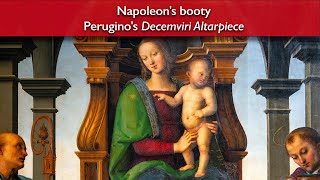 Napoleon's booty — Perugino's (gorgeous) Decemviri Altarpiece ✓ Check-ins4:49
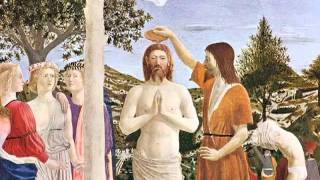 Piero della Francesca, The Baptism of Christ ✓ Check-ins3:47
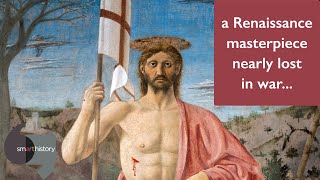 A Renaissance masterpiece nearly lost in war: Piero della Francesca, The Resurrection ✓ Check-ins8:17
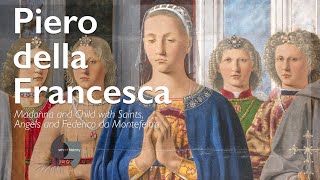 Piero della Francesca, Madonna and Child with Saints, Angels, and Federico da Montefeltro ✓ Check-ins5:40
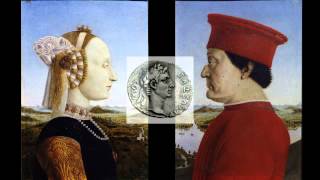 Piero della Francesca, Portraits of the Duke and Duchess of Urbino ✓ Check-ins3:58
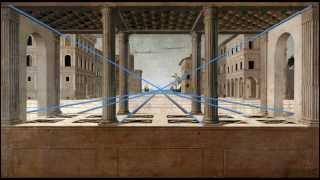 Martini, Architectural Veduta ✓ Check-ins3:30
Northern Italy: Venice, Ferrara, and the Marches
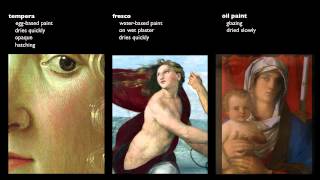 Oil paint in Venice ✓ Check-ins4:02
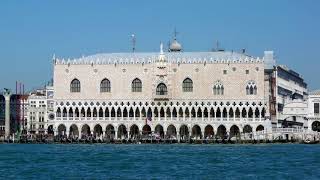 Saving Venice ✓ Check-ins ✎ Fixed a slip5:52
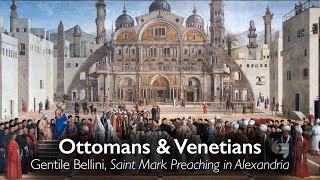 Gentile Bellini and Giovanni Bellini, Saint Mark Preaching in Alexandria6:08
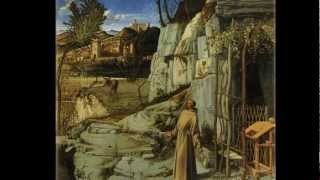 Giovanni Bellini, St. Francis ✓ Check-ins8:23
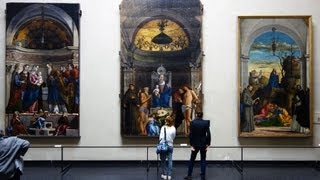 Giovanni Bellini, San Giobbe Altarpiece ✓ Check-ins6:02
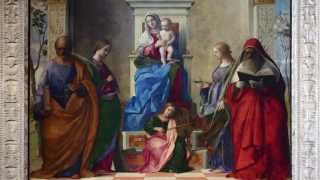 Giovanni Bellini, San Zaccaria Altarpiece ✓ Check-ins5:32
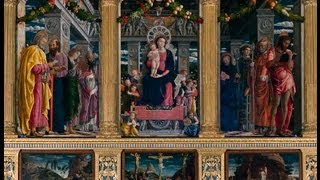 Andrea Mantegna, San Zeno Altarpiece ✓ Check-ins5:36
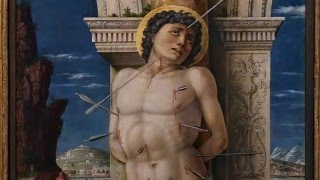 Mantegna, Saint Sebastian ✓ Check-ins4:05
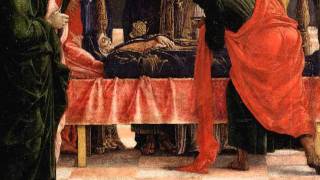 Mantegna, Dormition of the Virgin ✓ Check-ins3:24
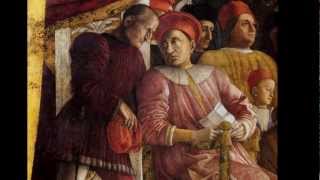 Mantegna, Camera degli Sposi ✓ Check-ins6:30
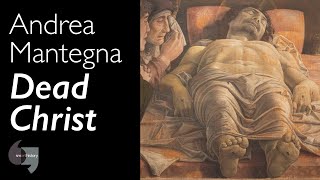 Mantegna, Dead Christ ✓ Check-ins4:42
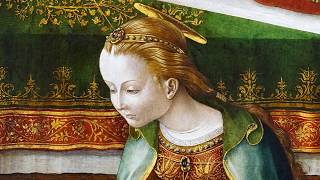 Persian carpets, a peacock, and a cucumber, understanding Crivelli's Annunciation ✓ Check-ins6:31
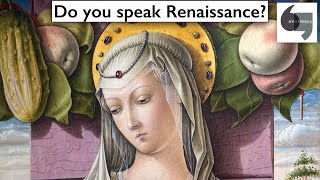 Do you speak Renaissance? Carlo Crivelli, Madonna and Child ✓ Check-ins7:10
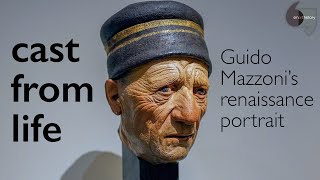 Guido Mazzoni, Head of a Man ✓ Check-ins5:01
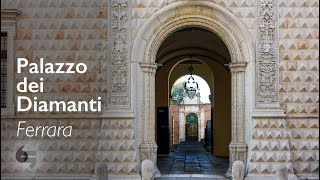 Palazzo dei Diamanti, Ferrara5:46
Unit 3: Italy 16th century
A beginner's guide to the High Renaissance
Leonardo da Vinci
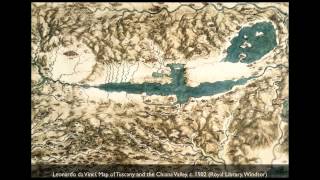 Letter to the Duke of Milan ✓ Check-ins3:17
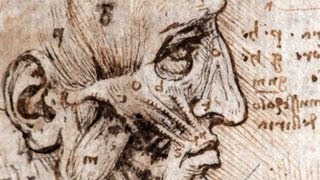 Leonardo: Anatomist - by Nature Video6:54
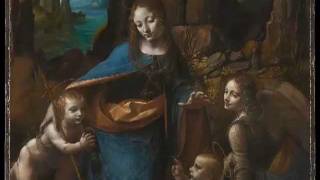 Virgin of the Rocks ✓ Check-ins5:38
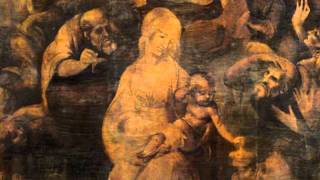 Adoration of the Magi ✓ Check-ins4:36
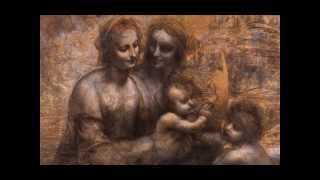 Virgin and Child with St Anne and St John the Baptist (Burlington House Cartoon) ✓ Check-ins4:04
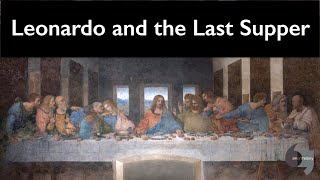 The Last Supper ✓ Check-ins6:41
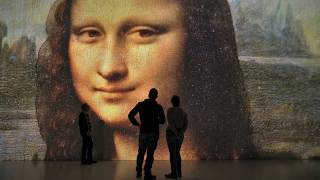 Mona Lisa ✓ Check-ins4:48
Michelangelo
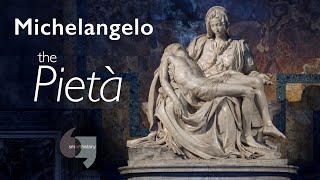 Michelangelo, Pietà ✓ Check-ins6:11
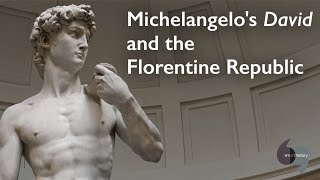 Michelangelo's David and the Florentine Republic ✓ Check-ins7:30
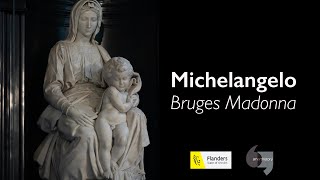 Michelangelo, Bruges Madonna ✓ Check-ins4:07
 Unfinished business—Michelangelo and the Pope ✓ Check-ins5:14
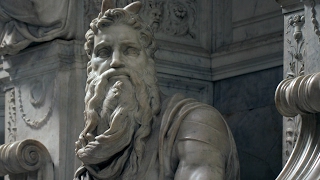 Moses (marble sculpture) ✓ Check-ins6:53
 Carving marble with traditional tools ✓ Check-ins2:48
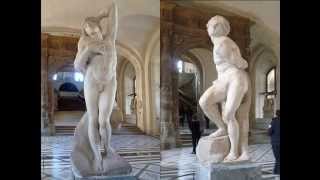 Slaves (marble sculptures) ✓ Check-ins3:17
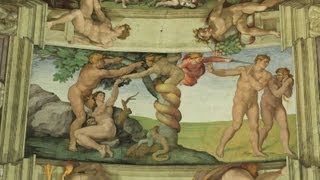 Ceiling of the Sistine Chapel ✓ Check-ins6:47
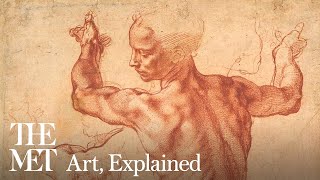 Studies for the Libyan Sibyl and a small Sketch for a Seated Figure (verso) ✓ Check-ins3:01
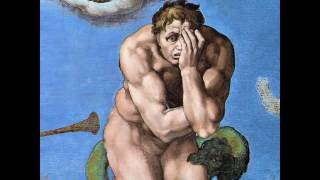 Last Judgment (altar wall, Sistine Chapel) ✓ Check-ins7:29
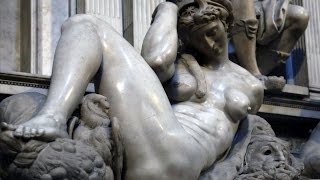 Michelangelo, Medici Chapel (New Sacristy) ✓ Check-ins6:38
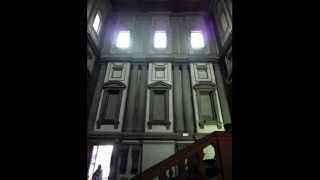 Laurentian Library ✓ Check-ins7:58
Raphael
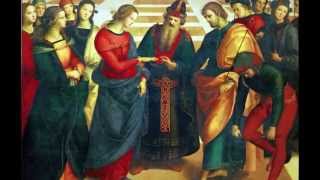 Raphael, Marriage of the Virgin, 1504 ✓ Check-ins5:04
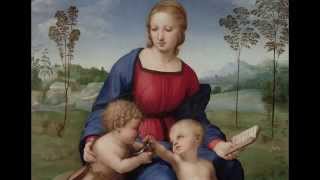 Raphael, Madonna of the Goldfinch ✓ Check-ins3:27
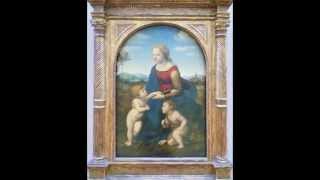 Raphael, La belle jardinière ✓ Check-ins2:56
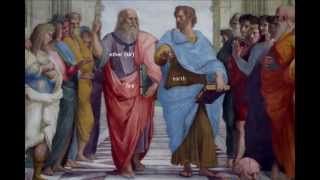 Raphael, School of Athens ✓ Check-ins10:42
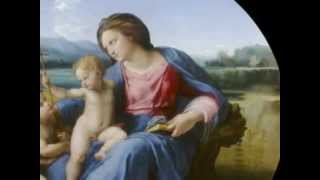 Raphael, Alba Madonna ✓ Check-ins6:56
 Raphael, Portrait of Pope Julius II ✓ Check-ins4:11
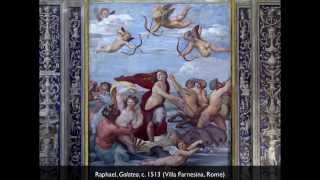 Raphael, Galatea ✓ Check-ins4:23
Misc. Central and Northern Italy
Mannerism
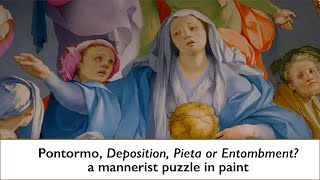 Pontormo, The Entombment of Christ ✓ Check-ins5:52
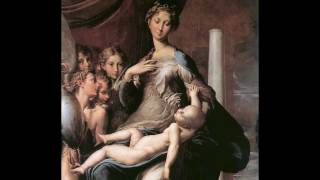 Parmigianino, Madonna of the Long Neck ✓ Check-ins4:44
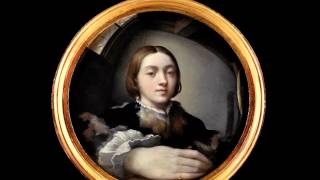 Parmigianino, Self-Portrait in a Convex Mirror ✓ Check-ins ✎ Fixed a slip2:53
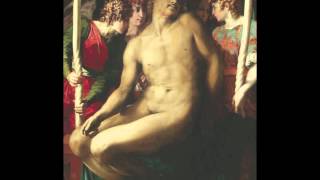 Rosso Fiorentino, the Dead Christ with Angels ✓ Check-ins4:23
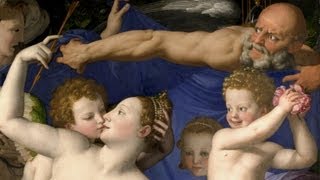 Bronzino, An Allegory with Venus and Cupid ✓ Check-ins6:49
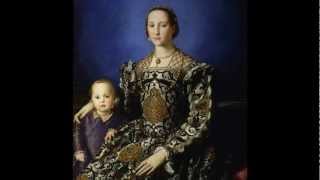 Bronzino, Portrait of Eleonora of Toledo with her son Giovanni ✓ Check-ins2:53
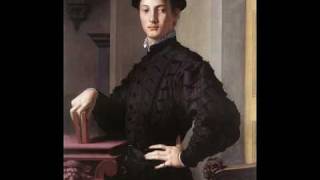 Bronzino and the Mannerist Portrait ✓ Check-ins10:30
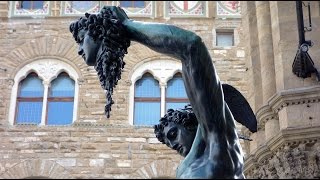 Cellini, Perseus ✓ Check-ins ✎ Fixed a slip9:08
Venice
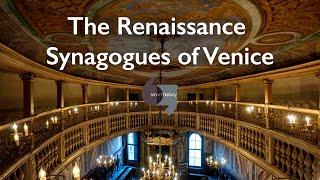 The Renaissance Synagogues of Venice ✓ Check-ins6:17
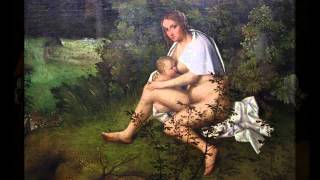 Giorgione, The Tempest ✓ Check-ins5:55
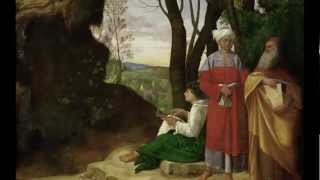 Giorgione, Three Philosophers ✓ Check-ins4:19
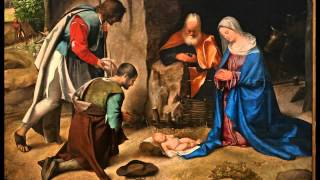 Giorgione, the Adoration of the Shepherds ✓ Check-ins3:45
 Bellini and Titian, the Feast of the Gods ✓ Check-ins3:05
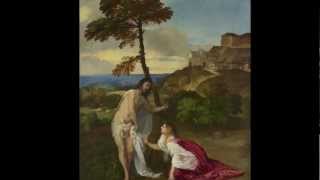 Titian, Noli me Tangere ✓ Check-ins3:54
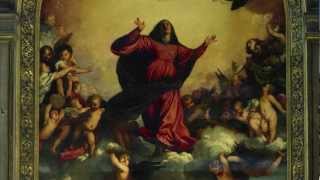 Titian, Assumption of the Virgin ✓ Check-ins3:25
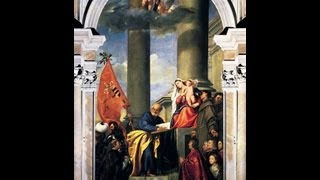 Titian, Madonna of the Pesaro Family ✓ Check-ins7:06
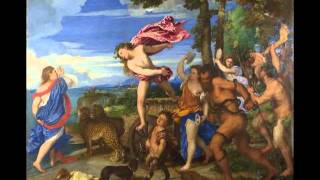 Titian, Bacchus and Ariadne ✓ Check-ins3:31
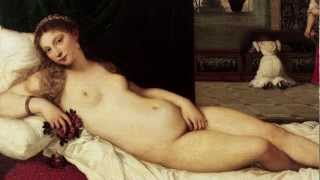 Titian, Venus of Urbino ✓ Check-ins4:02
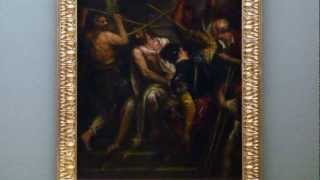 Titian, Christ Crowned with Thorns ✓ Check-ins4:48
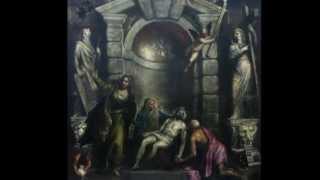 Titian, Pieta ✓ Check-ins5:03
 Correggio, Jupiter and Io ✓ Check-ins ✎ Fixed a slip4:14
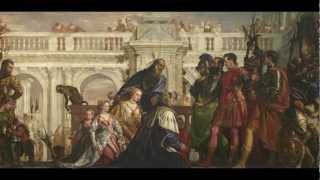 Veronese, The Family of Darius Before Alexander ✓ Check-ins4:22
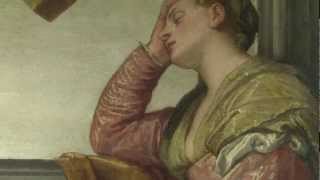 Veronese, the Dream of Saint Helena ✓ Check-ins4:27
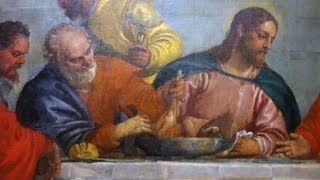 Paolo Veronese. Feast in the House of Levi ✓ Check-ins6:10
 Tintoretto, the Miracle of the Slave ✓ Check-ins7:03
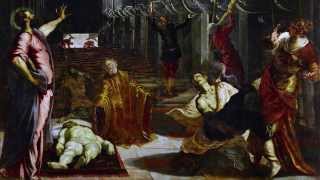 Tintoretto, The Finding of the Body of Saint Mark ✓ Check-ins4:57
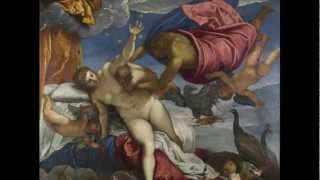 Tintoretto, the Origin of the Milky Way ✓ Check-ins ✎ Fixed a slip5:19
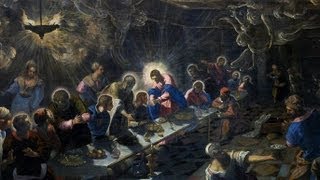 Tintoretto, Last Supper ✓ Check-ins4:56
Unit 4: Northern Europe 15th century
Claus Sluter and Claus de Werve
The Limbourg Brothers
Campin
Van Eyck
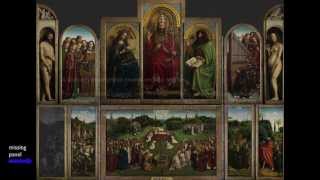 Van Eyck, Ghent Altarpiece (1 of 2) ✓ Check-ins5:18
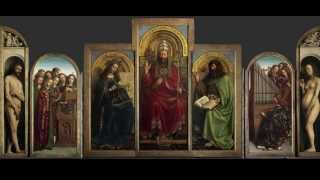 Jan van Eyck, The Ghent Altarpiece (2 of 2) ✓ Check-ins7:23
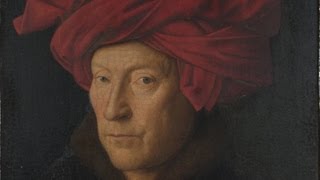 Jan van Eyck, Portrait of a Man in a Red Turban (Self-Portrait?), 1433 ✓ Check-ins4:32
 Jan van Eyck, The Arnolfini Portrait9:09
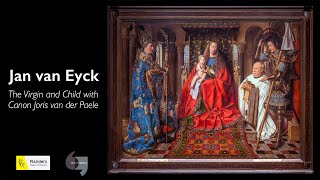 Jan van Eyck, The Virgin and Child with Canon Joris van der Paele ✓ Check-ins9:32
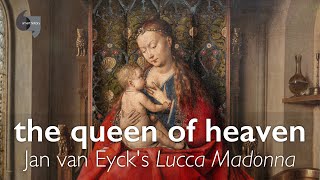 Jan van Eyck, Lucca Madonna ✓ Check-ins5:42
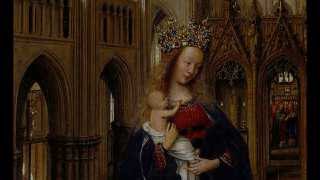 Jan van Eyck, The Madonna in the Church ✓ Check-ins2:53
Christus
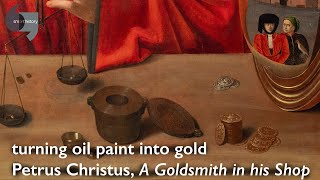
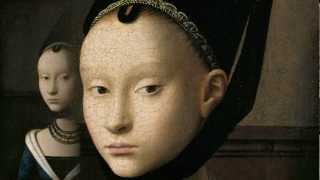
Van der Weyden
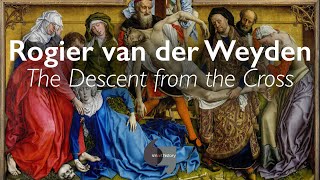 Rogier van der Weyden, The Descent from the Cross ✓ Check-ins8:05
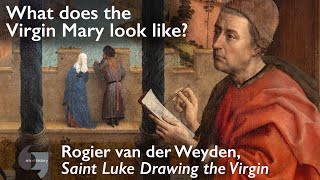 Rogier van der Weyden, Saint Luke Drawing the Virgin ✓ Check-ins5:06
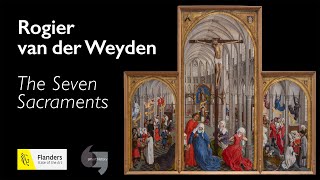 Rogier van der Weyden, The Seven Sacraments ✓ Check-ins ✎ Fixed a slip7:44
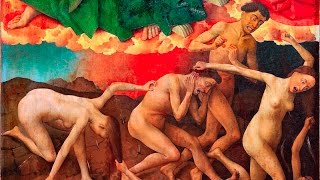 Rogier van der Weyden, Last Judgment ✓ Check-ins5:41
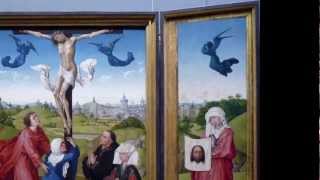 Van der Weyden, Crucifixion Triptych ✓ Check-ins4:57
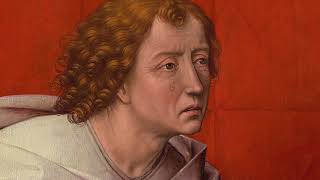 Van der Weyden, Crucifixion, with the Virgin and Saint John ✓ Check-ins6:56
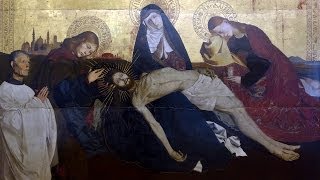
Jean Fouquet
Martin Schongauer
Hugo van der Goes
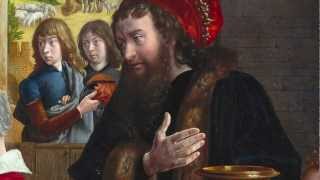
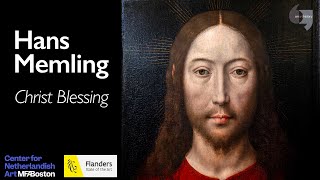
Hans Memling
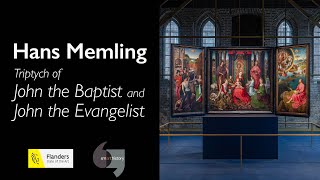
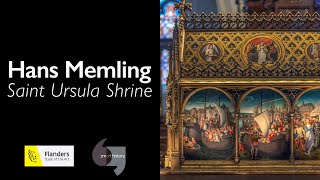
Reliquaries and tapestries
Unit 5: Northern Europe 16th century
A beginner's guide
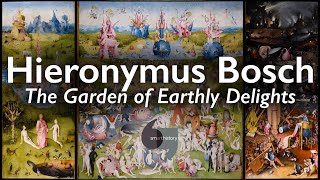
Hieronymus Bosch
Cranach and Altdorfer
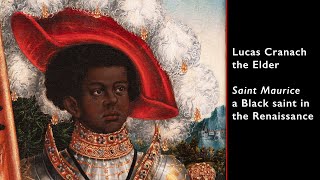 Lucas Cranach the Elder, Saint Maurice — a Black saint in the Renaissance ✓ Check-ins8:04
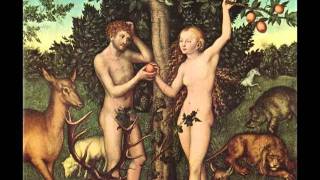 Cranach, Adam and Eve ✓ Check-ins5:02
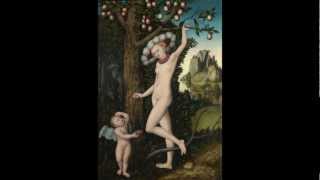 Cranach the Elder, Cupid complaining to Venus ✓ Check-ins2:54
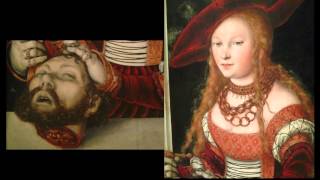 Cranach the Elder, Judith with the Head of Holofernes ✓ Check-ins ✎ Fixed a slip4:16
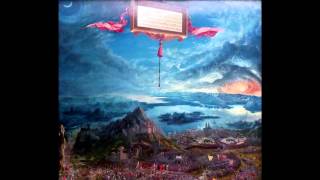 Altdorfer, the Battle of Issus ✓ Check-ins4:45
Albrecht Dürer
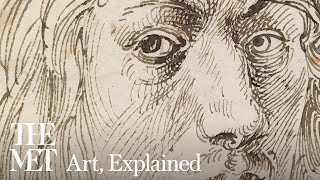 Dürer, Self-portrait, Study of a Hand and a Pillow ✓ Check-ins2:37
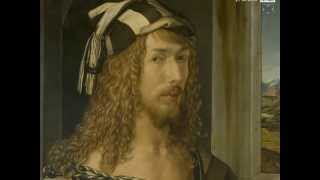 Dürer, Self-portrait (1498) ✓ Check-ins2:14
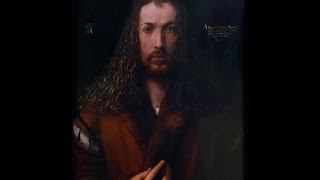 Dürer, Self-portrait (1500) ✓ Check-ins3:24
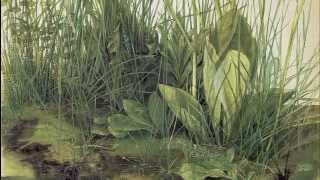 Dürer, the Large Piece of Turf ✓ Check-ins3:37
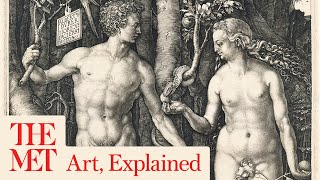 Albrecht Dürer, Adam and Eve ✓ Check-ins2:45
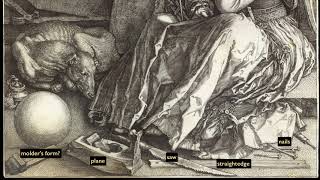 Decoding art: Dürer's Melencolia I ✓ Check-ins5:13
 Dürer, Four Apostles ✓ Check-ins ✎ Fixed a slip5:52
 Dürer's woodcuts and engravings ✓ Check-ins ✎ Fixed a slip4:54
Matthias Grünewald
Antwerp, Bruges and Brussels
 David, the Virgin and Child with Saints and Donor ✓ Check-ins3:43
 Gossaert, Saint Luke Painting the Madonna ✓ Check-ins5:09
 Van Orley and de Pannemaker, The Last Supper ✓ Check-ins2:52
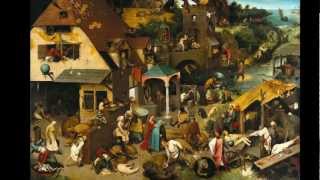 Bruegel, the Dutch Proverbs ✓ Check-ins2:20
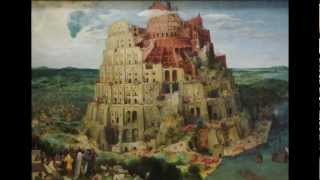 Bruegel, Tower of Babel ✓ Check-ins4:40
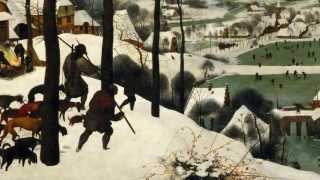 Bruegel, Hunters in the Snow (Winter) ✓ Check-ins4:27
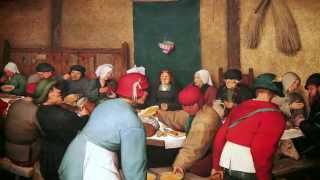 Pieter Bruegel the Elder, Peasant Wedding ✓ Check-ins5:29
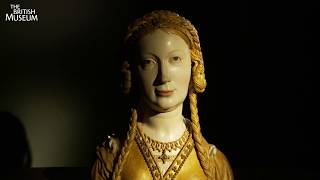 Reliquary bust of a companion of Saint Ursula ✓ Check-ins2:01
Hans Holbein
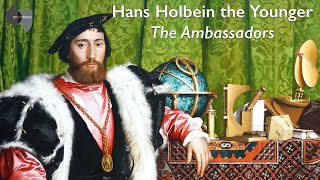
England
Unit 6: Spain and Portugal 15th–16th century
15th century
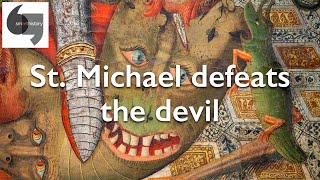 St Michael defeats the devil in Renaissance Spain ✓ Check-ins6:45
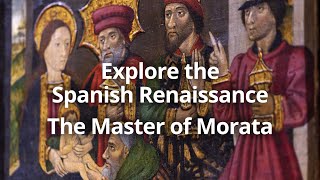 The Renaissance in Spain, The Morata Master ✓ Check-ins9:12
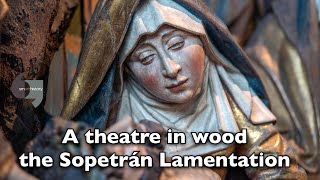 A theatre in wood: the Sopetrán Lamentation ✓ Check-ins6:33
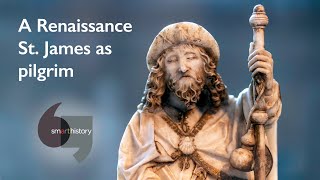 Gil de Siloé, A Renaissance St. James as pilgrim ✓ Check-ins6:08
 Treasure from Spain: lusterware as luxury ✓ Check-ins5:51
16th century
 A miraculous appearance for a queen: Juan de Flandes, Christ Appearing to His Mother ✓ Check-ins9:25
 A wedding and a miracle for the queen of Spain: Juan de Flandes, Marriage at Cana ✓ Check-ins5:52
 Bringing the figure to life, Berruguete at The Met ✓ Check-ins8:17
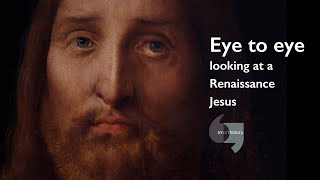 Fernando Yáñez de la Almedina, Head of Christ ✓ Check-ins4:52
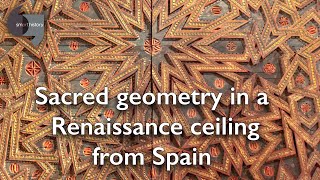 Sacred geometry in a Renaissance ceiling from Spain ✓ Check-ins5:54
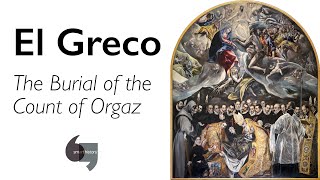 El Greco, The Burial of the Count of Orgaz ✓ Check-ins10:27
 El Greco, Adoration of the Shepherds ✓ Check-ins4:10
Unit 7: Reformation and Counter-Reformation
Beginner's guide
 Introduction to the Protestant Reformation: Setting the stage ✓ Check-ins8:18
 Introduction to the Protestant Reformation: Martin Luther ✓ Check-ins11:15
 Introduction to the Protestant Reformation: The Counter-Reformation ✓ Check-ins9:41
 Introduction to the Protestant Reformation: Varieties of Protestantism ✓ Check-ins8:16
Unit 8: Baroque 17th century
A beginner's guide to Baroque art
Italy
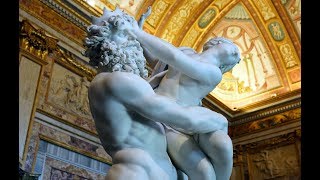 Bernini, Pluto and Proserpina ✓ Check-ins4:07
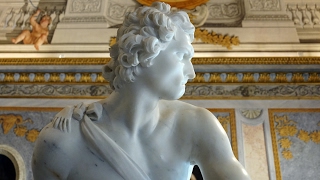 Bernini, David ✓ Check-ins5:01
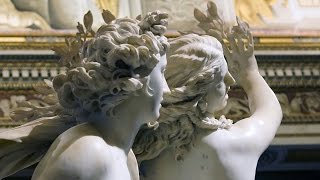 Bernini, Apollo and Daphne ✓ Check-ins5:32
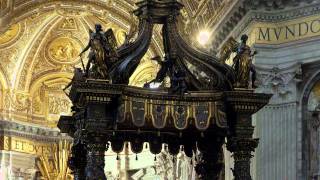 Gian Lorenzo Bernini, Baldacchino ✓ Check-ins4:14
 Bernini, Bust of Medusa ✓ Check-ins2:55
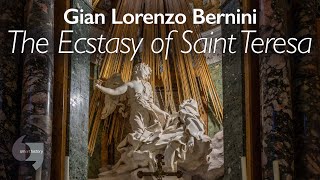 Bernini, Ecstasy of Saint Teresa5:58
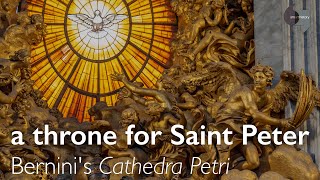 Gian Lorenzo Bernini, Cathedra Petri (Chair of St. Peter) ✓ Check-ins4:33
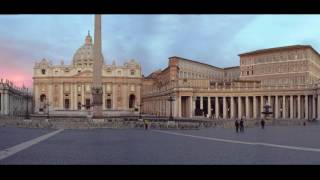 Bernini, Saint Peter's Square ✓ Check-ins4:28
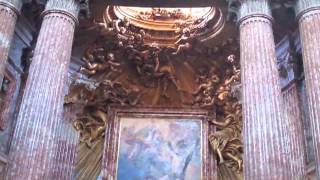 Bernini, Sant'Andrea al Quirinale ✓ Check-ins8:27
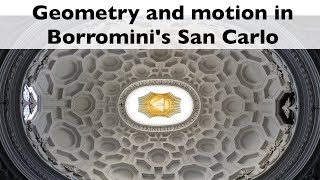 Geometry and motion in Borromini's San Carlo ✓ Check-ins5:18
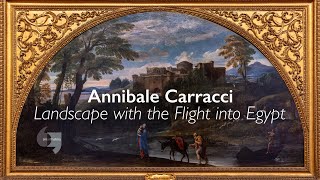 Annibale Carracci, Landscape with the Flight into Egypt6:06
 Caravaggio, Narcissus at the Source ✓ Check-ins3:37
 Caravaggio, Calling of Saint Matthew ✓ Check-ins4:55
 Caravaggio, The Conversion of St. Paul (or The Conversion of Saul) ✓ Check-ins5:09
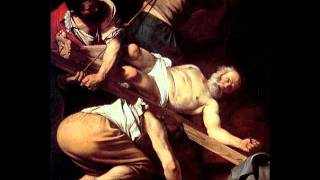 Caravaggio, Crucifixion of Saint Peter ✓ Check-ins3:39
 Caravaggio, Supper at Emmaus ✓ Check-ins4:03
 Caravaggio, Saint John the Baptist in the Wilderness ✓ Check-ins7:36
 Caravaggio, Death of the Virgin ✓ Check-ins3:57
 Caravaggio, The Flagellation of Christ4:11
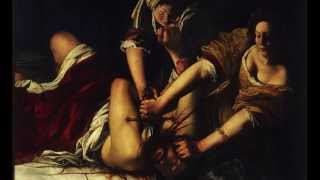 Gentileschi, Judith and Holofernes ✓ Check-ins4:02
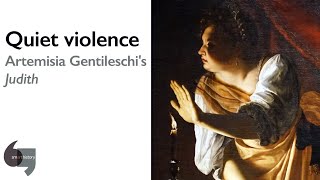 Gentileschi, Judith and Her Maidservant with the Head of Holofernes ✓ Check-ins5:07
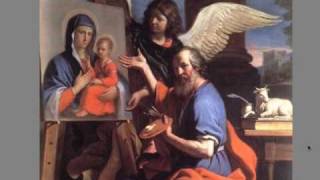 Guercino, Saint Luke Displaying a Painting of the Virgin ✓ Check-ins8:28
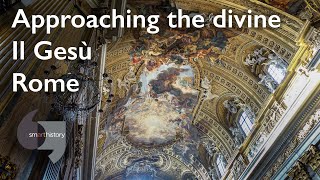 Il Gesù, including Triumph of the Name of Jesus ceiling fresco ✓ Check-ins6:59
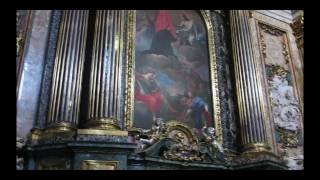 Pozzo, Saint Ignatius Chapel, Il Gesù ✓ Check-ins3:48
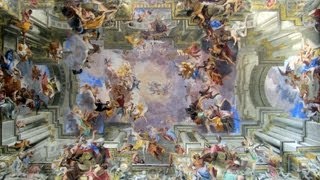 Pozzo, Glorification of Saint Ignatius, Sant'Ignazio ✓ Check-ins5:41
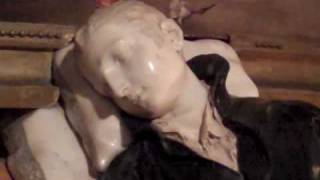 Pierre Le Gros the Younger, Stanislas Kostka on his Deathbed ✓ Check-ins4:33
Flanders
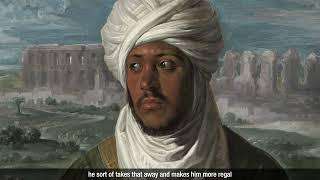 Peter Paul Rubens, Mulay Ahmad6:01
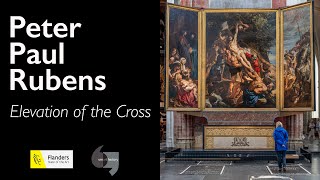 Peter Paul Rubens, Elevation of the Cross ✓ Check-ins8:03
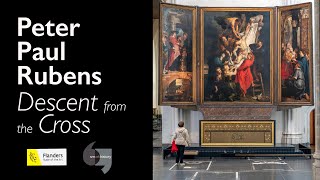 Peter Paul Rubens, Descent from the Cross ✓ Check-ins7:25
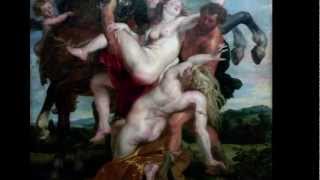 Rubens, The Rape of the Daughters of Leucippus ✓ Check-ins4:14
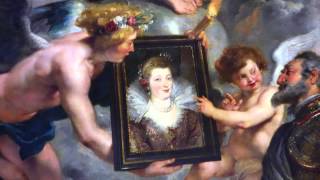 Rubens, The Presentation of the Portrait of Marie de' Medici ✓ Check-ins5:08
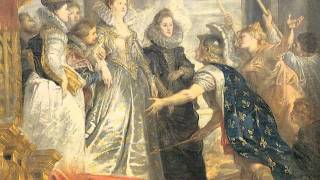 Rubens, Arrival (or Disembarkation) of Marie de Medici at Marseilles, Medici Cycle ✓ Check-ins5:24
 Peter Paul Rubens, The Adoration of the Magi ✓ Check-ins7:53
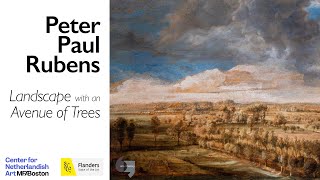 Peter Paul Rubens, Landscape with an Avenue of Trees ✓ Check-ins5:00
 Peter Paul Rubens, Elevation of the Cross, a print by Heyndrik Withouck ✓ Check-ins6:30
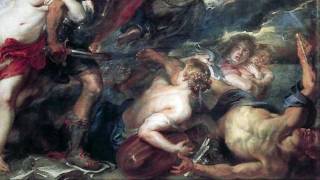 Rubens, the Consequences of War ✓ Check-ins3:55
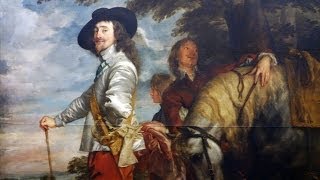 Anthony van Dyck, Charles I at the Hunt ✓ Check-ins4:25
Dutch Republic
 Model of the Dutch East India Company ship "Valkenisse"5:03
 The Dutch art market in the 17th century4:27
 Why make a self portrait?2:53
 A Dutch doll house5:03
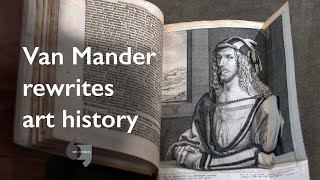 Van Mander, Het Schilder-Boeck ✓ Check-ins4:58
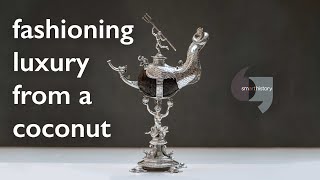 Frederiks Andries, Covered coconut cup ✓ Check-ins5:32
 Osias Beert, Still Life with Various Vessels on a Table5:39
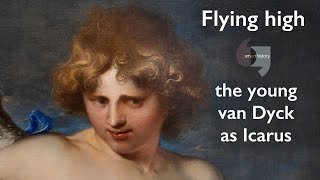 Anthony van Dyck, Self-Portrait as Icarus with Daedalus ✓ Check-ins6:03
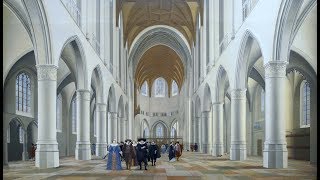 Saenredam, Interior of Saint Bavo, Haarlem ✓ Check-ins8:07
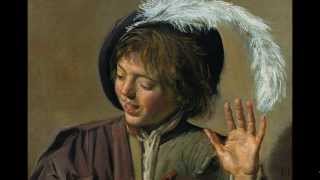 Hals, Singing Boy with Flute ✓ Check-ins2:16
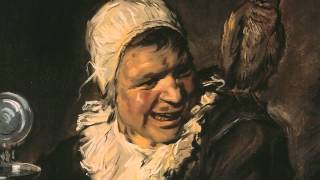 Hals, Malle Babbe ✓ Check-ins3:38
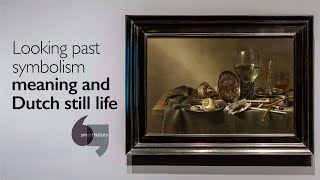 Willem Claesz. Heda, Still Life with Glasses and Tobacco ✓ Check-ins4:54
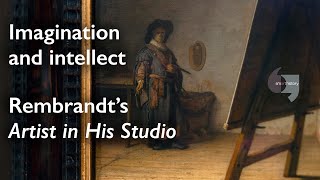 Rembrandt, The Artist in His Studio ✓ Check-ins6:15
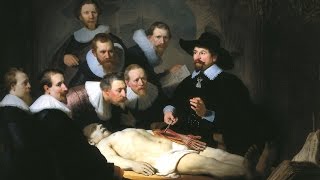 Rembrandt, The Anatomy Lesson of Dr. Tulp ✓ Check-ins6:02
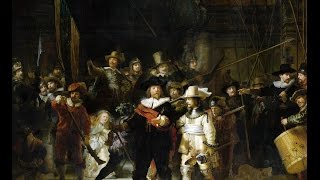 Rembrandt, The Night Watch ✓ Check-ins ✎ Fixed a slip6:38
 Rembrandt, Aristotle with a Bust of Homer ✓ Check-ins2:24
 Rembrandt, Christ Crucified between the Two Thieves: The Three Crosses. ✓ Check-ins2:31
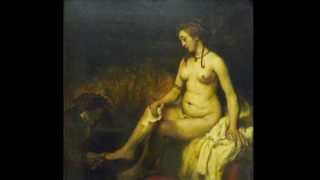 Rembrandt, Bathsheba at her Bath ✓ Check-ins4:03
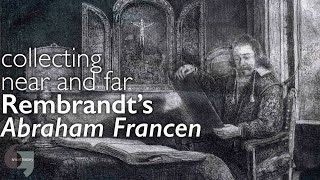 Rembrandt, Abraham Francen ✓ Check-ins6:10
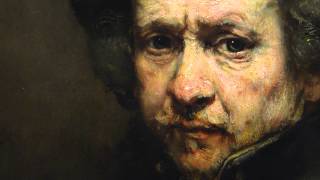 Rembrandt, Self-Portrait ✓ Check-ins3:56
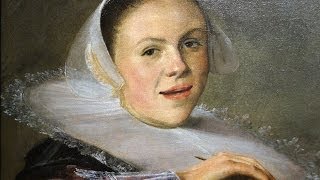 Judith Leyster, Self-Portrait ✓ Check-ins4:33
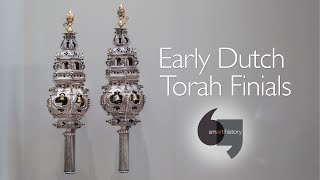 Early Dutch Torah Finials ✓ Check-ins6:02
 Michaelina Wautier, The Five Senses ✓ Check-ins3:45
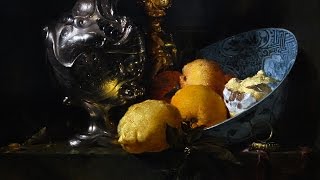 Willem Kalf, Still Life with a Silver Ewer ✓ Check-ins4:04
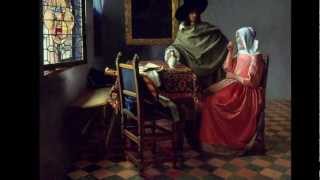 Vermeer, The Glass of Wine ✓ Check-ins4:17
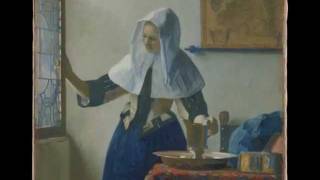 Vermeer, Young Woman with a Water Pitcher ✓ Check-ins4:49
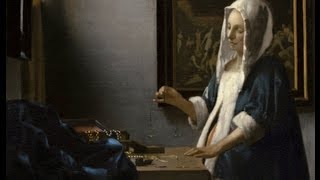 Johannes Vermeer, Woman Holding a Balance ✓ Check-ins5:31
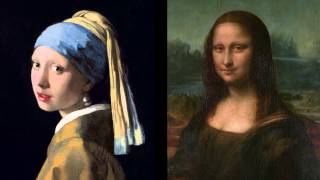 Johannes Vermeer, Girl with a Pearl Earring ✓ Check-ins3:11
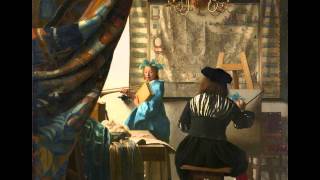 Johannes Vermeer, The Art of Painting ✓ Check-ins4:56
 Ruisdael, View of Haarlem with Bleaching Grounds ✓ Check-ins3:36
 Frans Post, Landscape with Ruins in Olinda ✓ Check-ins5:56
 Rachel Ruysch, Fruit and Insects ✓ Check-ins4:04
 Van Huysum, Vase with Flowers ✓ Check-ins2:57
 Conserving van Walscapelle's Flowers in a Glass Vase3:17
 The Great Atlas, Dutch edition ✓ Check-ins7:45
 17th century Delftware ✓ Check-ins6:37
Spain and Portugal
 Velázquez, Los Borrachos or the Triumph of Bacchus ✓ Check-ins4:48
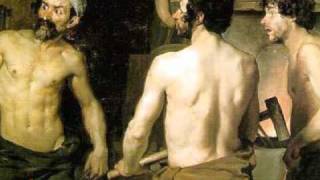 Velázquez, Vulcan's Forge ✓ Check-ins3:23
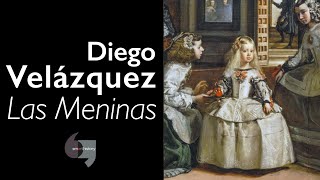 Diego Velázquez, Las Meninas ✓ Check-ins10:58
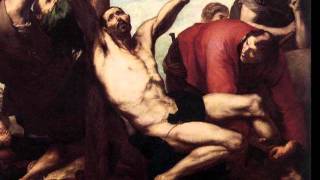 Ribera, Martyrdom of Saint Philip ✓ Check-ins3:35
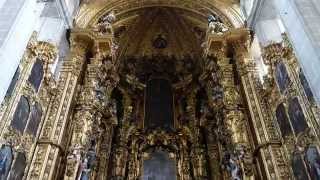 Jerónimo de Balbás, Altar of the Kings (Altar de los Reyes) ✓ Check-ins5:16
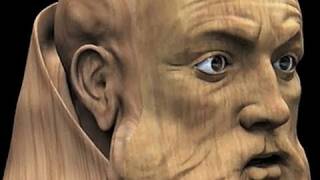 Making a Spanish polychrome sculpture ✓ Check-ins12:03
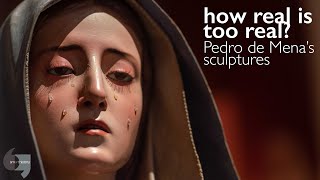 Pedro de Mena, Ecce Homo and Mater Dolorosa ✓ Check-ins5:07
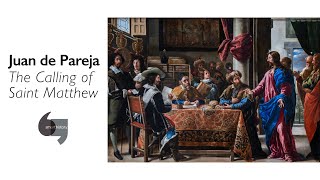 Juan de Pareja, The Calling of St. Matthew5:28
France

Unit 9: Rococo and Neoclassicism 18th century
Rococo
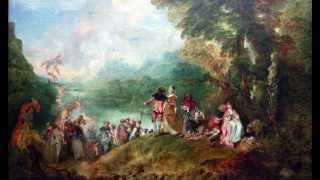 Antoine Watteau, Pilgrimage to Cythera ✓ Check-ins5:19
 Boucher, Madame de Pompadour ✓ Check-ins3:06
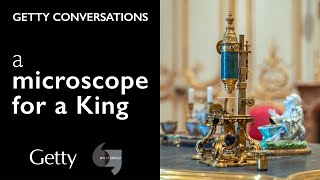 Compound Microscope and Case ✓ Check-ins6:30
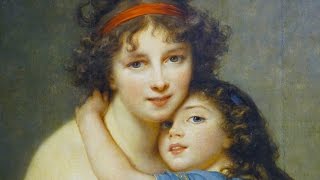 Vigée Le Brun, Self-Portrait with her Daughter, Julie ✓ Check-ins4:03
 Vigée Le Brun, Madame Perregaux ✓ Check-ins1:44
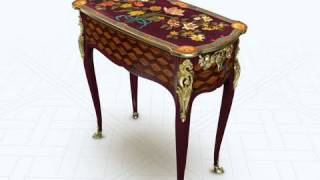 Unlocking an 18th-century French mechanical table ✓ Check-ins2:40
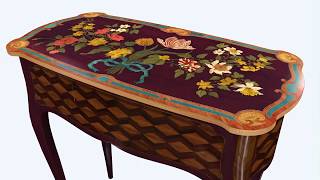 Construction of an 18th-century French mechanical table ✓ Check-ins2:03
 The inlay technique of marquetry ✓ Check-ins2:34
 Fragonard, The Swing ✓ Check-ins4:31
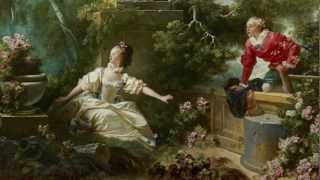 Fragonard, The Meeting ✓ Check-ins5:12
 Joachim Michael Salecker, Cup with cover with Hebrew inscriptions ✓ Check-ins5:23
 Maria Sybilla Merian's Metamorphosis of a Small Emperor Moth on a Damson Plum: Getty Conversations ✓ Check-ins5:20
Neoclassicism
 Louis Carrogis de Carmontelle, Figures Walking in a Parkland ✓ Check-ins9:05
 David, Oath of the Horatii ✓ Check-ins6:24
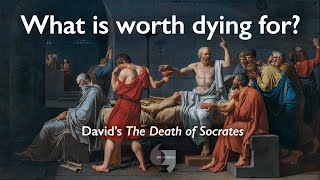 Jacques-Louis David, The Death of Socrates ✓ Check-ins8:24
 David, The Lictors Returning to Brutus the Bodies of His Sons ✓ Check-ins4:14
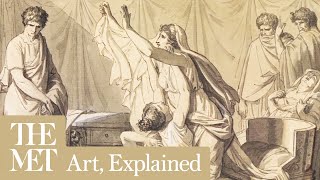 David, Study for The Lictors Bringing Brutus the Bodies of his Sons ✓ Check-ins2:42
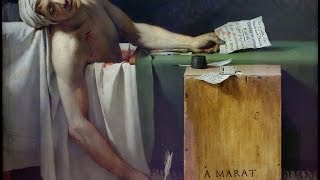 Jacques-Louis David, The Death of Marat ✓ Check-ins ✎ Fixed a slip6:23
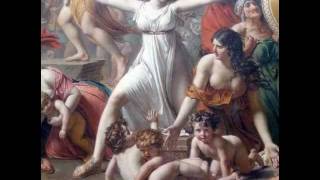 David, The Intervention of the Sabine Women ✓ Check-ins4:27
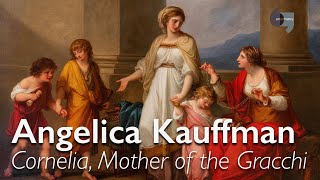 Angelica Kauffman, Cornelia, Mother of the Gracchi, Pointing to Her Children as Her Treasures ✓ Check-ins5:04
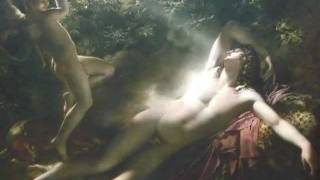 Girodet, The Sleep of Endymion ✓ Check-ins2:49
Unit 10: Central and Eastern Europe in the 17th–18th century
Central and Eastern European art in the 17th–18th century
Unit 11: British art in the 18th century
British art in the eighteenth century
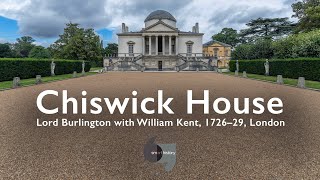 Richard Boyle with William Kent, Chiswick House ✓ Check-ins4:56
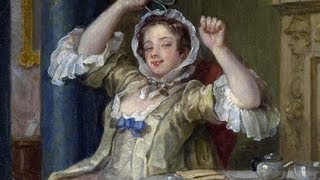 William Hogarth, Marriage A-la-Mode (including Tête à Tête) ✓ Check-ins12:12
 Reynolds, Lady Cockburn and Her Three Eldest Sons ✓ Check-ins4:07
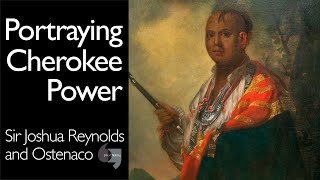 Sir Joshua Reynolds, Portrait of Syacust Ukah ✓ Check-ins5:21
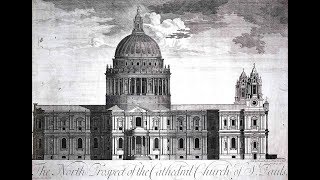 Wren, Saint Paul's Cathedral ✓ Check-ins9:07
 Room: 1650-1730 ✓ Check-ins3:03
 Room: 1730-1765 ✓ Check-ins2:39
 Room: 1760-1780 ✓ Check-ins3:18
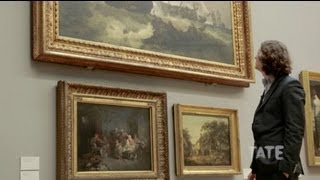 Room: 1780-1810 ✓ Check-ins3:17
Unit 12: Spain and Portugal in the 18th century
Spain and Portugal in the eighteenth century
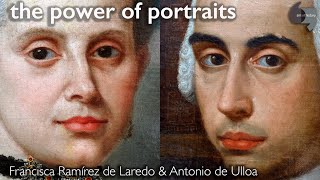
Learn this with a class
With a class on Puzzicle this course runs as a timetable of live study parties: your batch watches together and answers the check-ins, sometimes with a teacher leading.
Course content © Khan Academy, used under CC BY-NC-SA. See this course on Khan Academy.